
Overview
Through generous grant funding awarded in late 2025 and early 2026, the Urban Libraries Council is thrilled to offer two Civic Makers Lab cohort programs to ULC members: Civic Makers Lab for Youth (15-18) and Civic Makers Lab for Adults (18-24).
The Civic Makers Lab concept is a peer-learning program that equips librarians to serve as civic learning facilitators, and empowers youth and young adults to be active contributors to their communities. Through experiential civic learning (the process of acquiring civic knowledge and skills through action), libraries will build new pathways into civic life, rooted in curiosity, connection, and community problem-solving, rather than partisanship.
Program Objectives
- Strengthen library capacity for and training in experiential civic learning
- Expand civic learning opportunities for youth and young adults
- Strengthen local civic ecosystems through partnerships
- Build a national network of civic-minded libraries
- Generate new, replicable models of civic engagement
To offer thoughtful guidance in facilitating civic learning for different age groups, the Civic Makers Lab programs operate as two unique initiatives. These programs are also generously supported by two separate funders.
Learn more about each Civic Makers Lab program by visiting the webpages below.
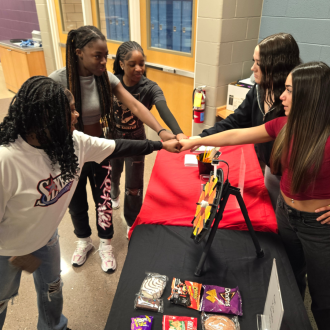
Civic Makers Lab for Youth (15-18)
Civic Makers Lab for Youth (15-18) is a coordinated network of U.S. Carnegie libraries that will empower young people to practice democracy and lead community change. Participating libraries will offer hands-on civic learning experiences that complement school education, and partner with community organizations and families to deepen civic impact. Support for the Civic Makers Lab for Youth (15-18) was provided by a grant from Carnegie Corporation of New York.
Learn More
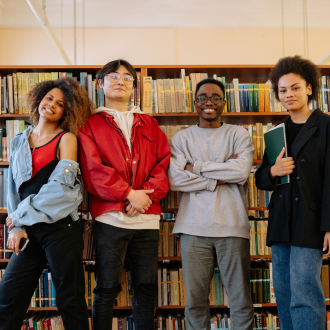
Civic Makers Lab for Adults (18-24)
Civic Makers Lab for Adults is a grant and peer-learning program that equips librarians to serve as civic learning facilitators, and empowers young adults ages 18-24 to be active contributors to their communities. Young people see libraries as safe, inclusive spaces where questions are welcome, ideas can be explored, and community life is visible. At a moment when civic education is fragmented or politicized, libraries can play a defining role in strengthening civic health through hands-on, real-world learning.