Where Neighbors Practice Disagreeing
Salt Lake City Public Library
Innovation Synopsis
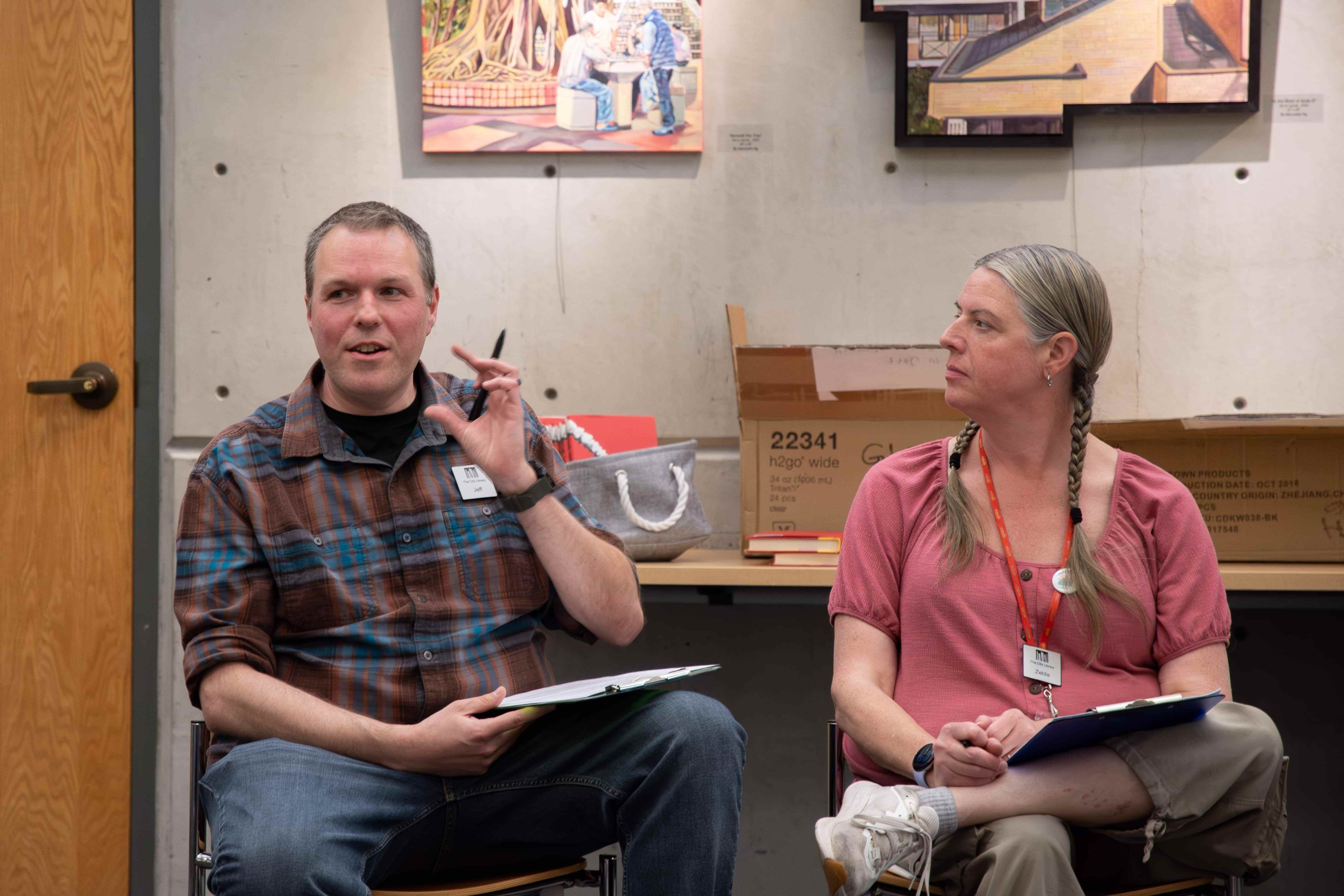
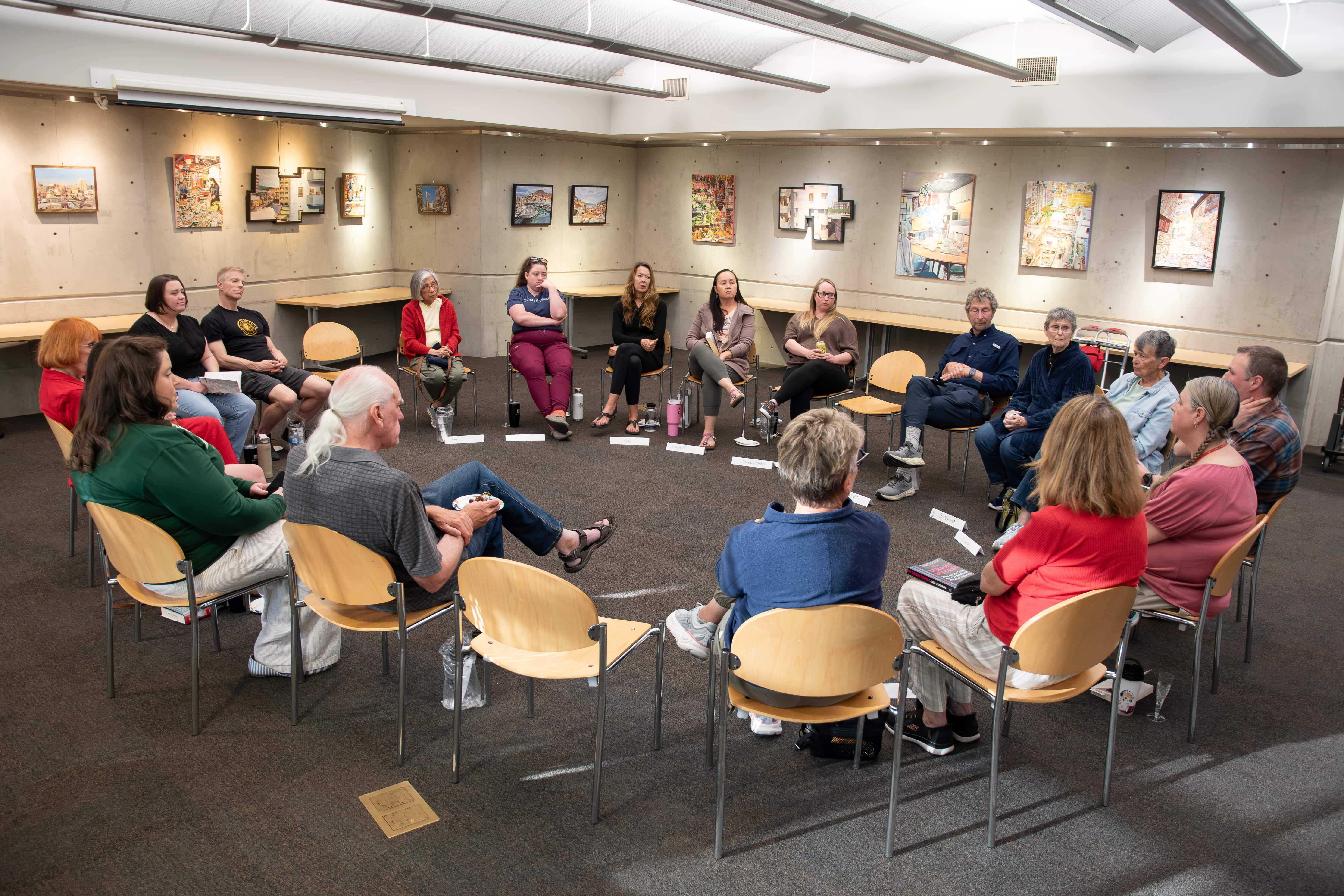
Americans have not lost the ability to disagree. They have lost the places to practice it. The Foothill Forum is the Salt Lake City Public Library's answer: a librarian-facilitated book discussion series built deliberately around the issues most institutions avoid, including gun rights, race relations, and gender. Since launching in April 2024 with Neil Postman's Amusing Ourselves to Death, neighbors of different generations, backgrounds, and politics have worked through twenty-five books together without a single session collapsing into hostility. Demand forced the program to double from one session to two each month so every voice could be heard, and discussions routinely run past their scheduled hour, sometimes until the library closes. The program's premise is that American division is less a political crisis than a shortage of venues for genuine human connection.
Challenge/Opportunity
Political scientists call it affective polarization: Americans increasingly distrust and avoid people who vote differently. The practical result is that most adults have nowhere to practice disagreeing.
- Civic venues that once mixed strangers across difference (clubs, congregations, local press) have contracted; what remains sorts people into like-minded groups.
- Social media rewards performance and punishes curiosity.
- Most institutions, including many libraries, respond to the culture-war climate by steering programming away from contested topics entirely.
The opportunity: the public library is one of the last free, non-commercial spaces where strangers of every viewpoint already gather and already extend trust. SLCPL chose to lean into that trust rather than protect it, wagering that a shared book, a skilled facilitator, and norms of curiosity could let neighbors do what national politics cannot: disagree and still get along.
Key Elements of Innovation
-Deliberately contested topics: the reading list targets the third rails, incl. Gunfight (gun rights) and Biting the Hand (race and identity), rather than safe consensus titles.
- The book as neutral ground: participants argue with and through a text, not at each other, which lowers defensiveness and gives every viewpoint a shared reference point.
- Skilled librarian facilitation: ground rules privilege curiosity over persuasion; questions are redirected from debate toward understanding.
- Designed for voice, not scale: when attendance neared 30 and airtime shrank, the library doubled to two sessions monthly instead of capping participation, treating every participant's chance to speak as the core product.
- Sustained, not episodic: 25 books over three program years, with the 2027 slate already selected.
- Leadership amplification: the CEO and facilitating librarian co-authored a Salt Lake Tribune op-ed, positioning the library as civic infrastructure for democratic life.
Achieved Outcomes
- Attendance averages 17-22 per session, peaking at 29, with demand driving expansion.
- Engagement exceeds format: sessions regularly run past their one-hour limit, sometimes to closing.
- Civility held on the hardest topics. When a participant told a gun-skeptical room she felt safer carrying a firearm, the room responded with questions rather than argument - both sides left understanding a perspective they had never heard firsthand. A discussion of Biting the Hand turned "where are you from?" into an exploration of belonging, with immigrants and first-generation participants offering differing views, and no voices raised. Attendees regularly include those in their 20’s and 60’s, along with participants representing a variety of ideological and political spectra.
- 25 books discussed. The 2027 list is already set, a signal of durability.
- The 2025 op-ed extended the program's reach citywide, positioned the library publicly as civic infrastructure for democratic life.