Stanford L. Warren Branch Library’s Native Pollina
Durham County Library
Innovation Synopsis
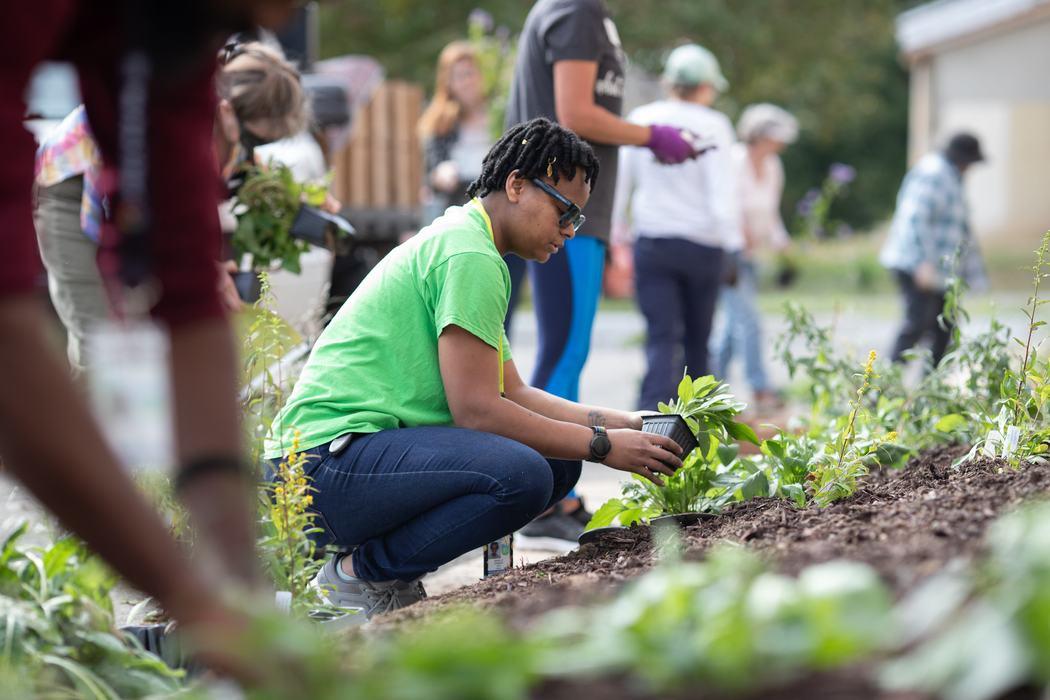
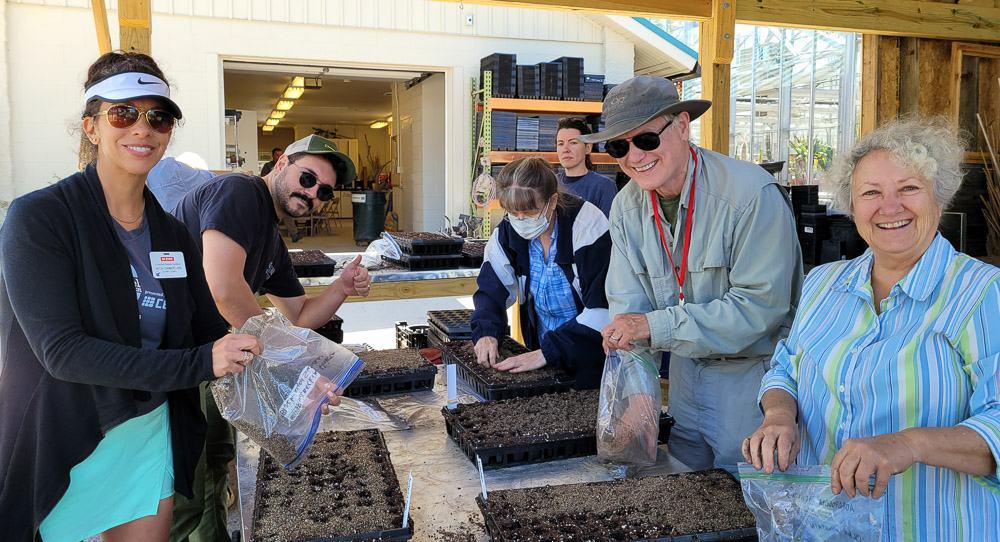
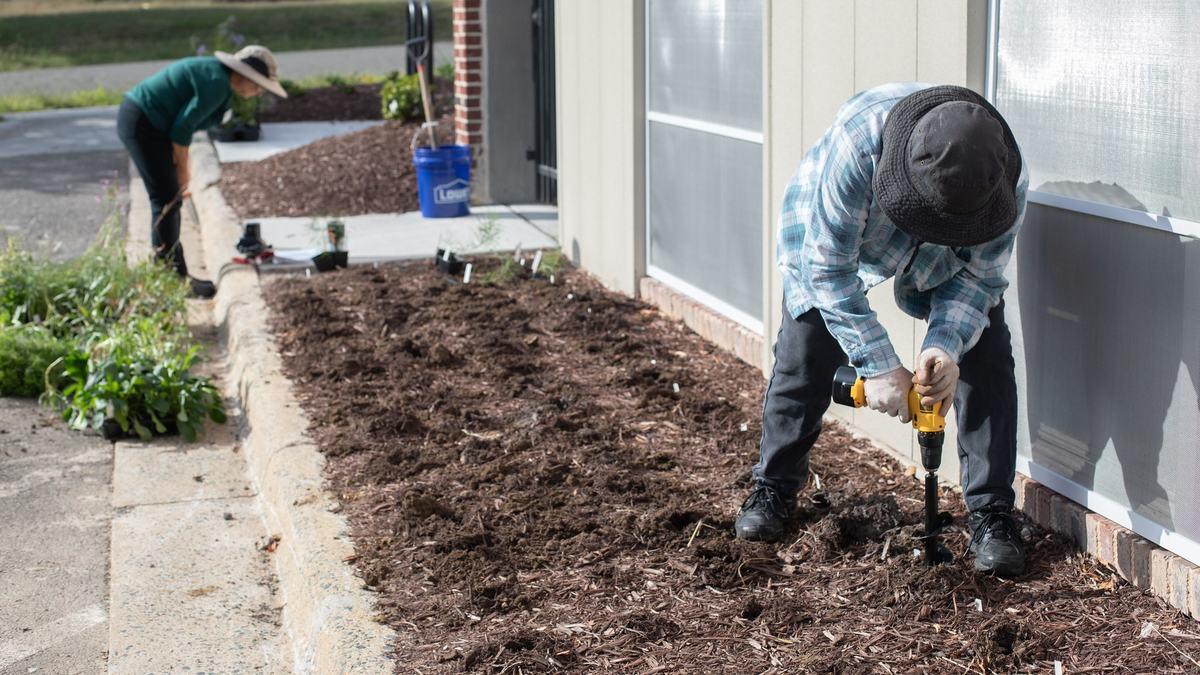
Working in partnership with North Carolina State Extension Master Gardener volunteers and staff from the Sarah P. Duke Gardens, Durham County Library’s Stanford L. Warren Branch installed a Native Pollinator Demonstration Garden in a strip of green space that encircles the building. This project serves the library’s patrons by beautifying public spaces, increasing biodiversity, and providing opportunities to educate the public about the benefits of native species.
Challenge/Opportunity
The temporary closure of Durham County Library’s Stanford L. Warren Branch due to water intrusion issues from August 2021 through December 2024 presented an opportunity to rethink how the library uses the location’s green space by incorporating native plants in an urban environment and holding gardening-related programs throughout 2025. The Stanford L. Warren Branch’s origins are as Durham’s library system created by and for Black people in the early 20th century. Durham’s Black Wall Street was booming, and the contributions of Durham’s African American community resulted in the Durham Colored Library progressing from a small collection of books housed in the White Rock Baptist Church basement to the standalone building that opened on January 17, 1940. That building, originally called the Stanford L. Warren Public Library, still stands today.
The library’s staff remained busy throughout the building’s temporary closure by partnering to create a native plant pollinator garden in a str
Key Elements of Innovation
The Native Pollinator Demonstration Garden addressed the need for native garden spaces and biodiversity education by involving patrons and community organizations to install over 400 plants in a strip of garden beds that encircles the Stanford L. Warren Branch Library. While the building was closed for extensive renovations, it was certainly possible to install lawn grass in this green strip in line with conventional practices. However, the input of NC State Extension Master Gardener volunteers and the contributions of the Sarah P. Duke Gardens alongside the work of library staff meant a low-maintenance native plant garden with low watering requirements went in instead.
Duke Gardens staff worked with the library to select native plant species that would thrive in the area while also minimizing the need for mowing and watering. Duke Gardens then donated the necessary seeds The need for pesticides and fertilizers was eliminated completely. Since the installation of the garden in 2024, o
Achieved Outcomes
A major marker of success around the Native Pollinator Demonstration Garden is the number of patrons who have attended gardening-related programs at Stanford L. Warren Branch Library throughout 2025. The two Black Soil panels held in February and April saw an approximate attendance of 50 individuals across the two programs. The African American Legacy in Gardening and Horticulture Symposium held in March saw 251 in-person attendees and 352 online attendees. A native plant swap at the Stanford L. Warren Branch Library also attracted at least 15 individuals. Furthermore, youth-focused programs like biodiversity story times and crafts like DIY seed shakers and rock painting to decorate the garden space have attracted significant attendance numbers among children and their caregivers.
The Native Plant Demonstration Garden also represents a resource saving for Durham County. As the plants in the garden were selected to require minimal mowing or watering, Durham County does not need to exp