Snapicat: Transforming BPL’s Cataloging Workflows
Boston Public Library
Innovation Synopsis
Cataloging involves two concurrent tasks: catalogers examine items for key details (titles, authors, etc.), then use that data to find and create records -- often spending too much time on repetitive tasks before applying their professional expertise. BPL’s Snapicat application decouples these tasks: non-cataloger staff capture basic data, then catalogers use their experienced judgement to bulk search that data against OCLC WorldCat, the world’s largest database of bibliographic information.
The rich records Snapicat returns mean that catalogers can move from handling items and transcribing data to the best use of their skills: confirming matches, resolving ambiguous records, and enriching access. Libraries can now rapidly clear historic backlogs, gain intellectual control over collections, prioritize the hardest cataloging work, and make those collections available to the public. BPL seeks to change librarianship by making this tool open-source, available to all to use and improve.
Challenge/Opportunity
Libraries hold untold numbers of materials the public cannot find because they were never fully represented in modern catalogs. Traditional cataloging requires item-by-item review, so meaningful backlog reduction is out of reach even for well-resourced institutions; skilled catalogers spend hours on routine record-matching instead of the expert analysis they trained for. As an example, BPL's Rare Books & Manuscripts backlog was once considered a generational project, decades from completion, while a growing stream of new acquisitions still needed description.
The opportunity: build a workflow that lets library assistants and partners handle basic data capture, while freeing catalogers to apply their expertise where it matters most, so backlog reduction no longer competes with the accountability and judgment that make library metadata trustworthy, and materials people need no longer sit, undiscoverable, on shelves.
Key Elements of Innovation
• Snapicat is an open-source tool that batch-queries minimal bibliographic data (title, author, date, etc.) against OCLC WorldCat and returns candidate records for review, turning weeks of manual searching into minutes.
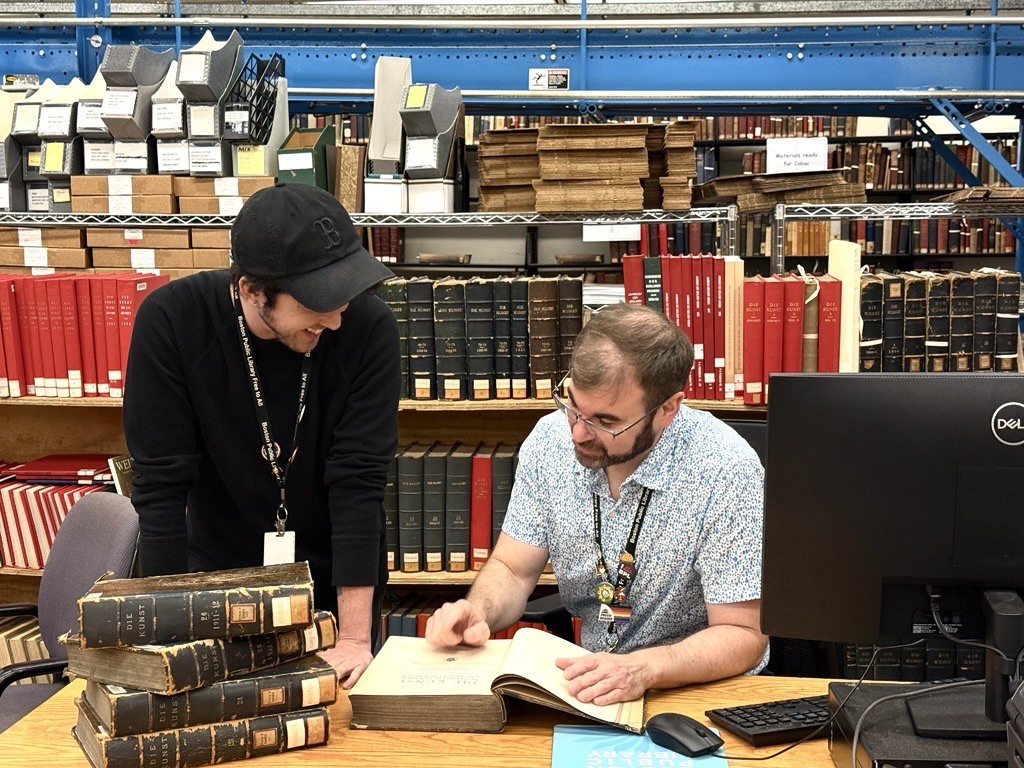
• Decouples physical inventory and data capture from professional metadata review, so non-cataloger staff and partners can prep material for catalogers instead of catalogers doing both.
• Frees catalogers to spend their expertise on the highest, best use of their training: evaluating, correcting, enriching, and creating records, rather than repetitive lookups. This prioritizes higher-value work, instead of just saving time.
• Built for replication: any library can install, adapt, and contribute improvements, turning one institution's efficiency gain into a shared advance for the field.
• Reframes backlog work as a collaborative model rather than a perpetual, under-resourced burden unique to each library.
Achieved Outcomes
• Raised individual cataloger throughput from ~400 items a month, once considered an exceptional pace, to ~7,000 items a month, using only partial staff time.
• Used to catalog roughly 70% of nearly 12,000 items in BPL’s Founding Research Collection – the original core of its research library -- working from minimal data gathered by non-cataloger staff.
• Turned a Rare Books & Manuscripts backlog once considered generational into a project finishing early 2027.
• Already changing what patrons can access: researchers in BPL's Rare Books reading room are right now requesting materials surfaced through Snapicat-enabled workflows.
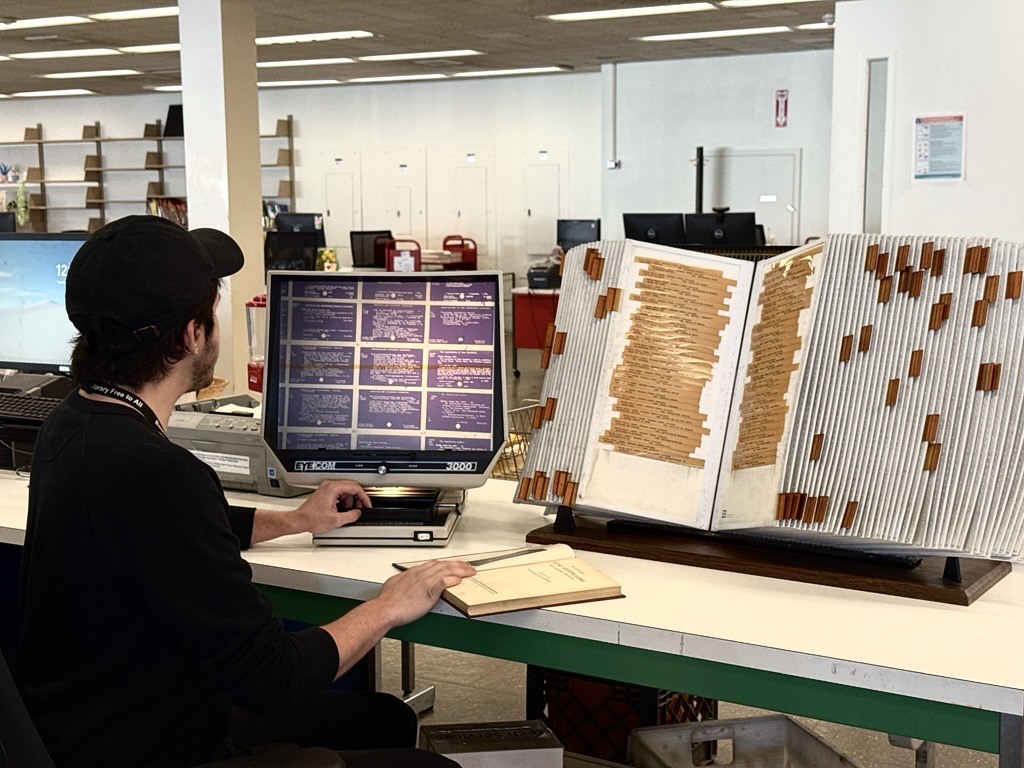
• Adopted across multiple BPL workflows: new acquisitions, 20th-century government documents, and digitized catalog-card conversion projects.
• Presented at multiple library and developer conferences, drawing interest from peers including the Mayo Clinic, Smithsonian Libraries, and even OCLC itself, and released open-source for any library to adopt and improve.
Supporting Materials: