Rural Entrepreneur in Residence
Jackson County Library Services
Innovation Synopsis
To strengthen economic opportunity in one of Oregon's most geographically isolated regions, Jackson County Library System partnered with A Greater Applegate to adapt the Entrepreneur-in-Residence model for a rural setting. Rather than importing outside consultants, the program leverages trusted local entrepreneurs to provide mentoring, business education, and peer networking for emerging business owners. By positioning the library as a hub for entrepreneurship, the program addresses isolation, limited access to professional support, and economic hardship while building a more connected rural business ecosystem.
Challenge/Opportunity
The Applegate Valley spans 500 square miles across three counties and two states. The dispersed population and lack of municipal infrastructure limit access to business support, networking opportunities, and entrepreneurial resources. Nearly half of households in the region fall into the ALICE category (Asset Limited, Income Constrained, Employed), indicating significant economic vulnerability despite employment. Rising food insecurity and economic vulnerability highlight the need for strategies that strengthen locally owned businesses and diversify household income. Rural libraries provide places to connect both with other businesses and community resources in the entrepreneurial ecosystem.
Key Elements of Innovation
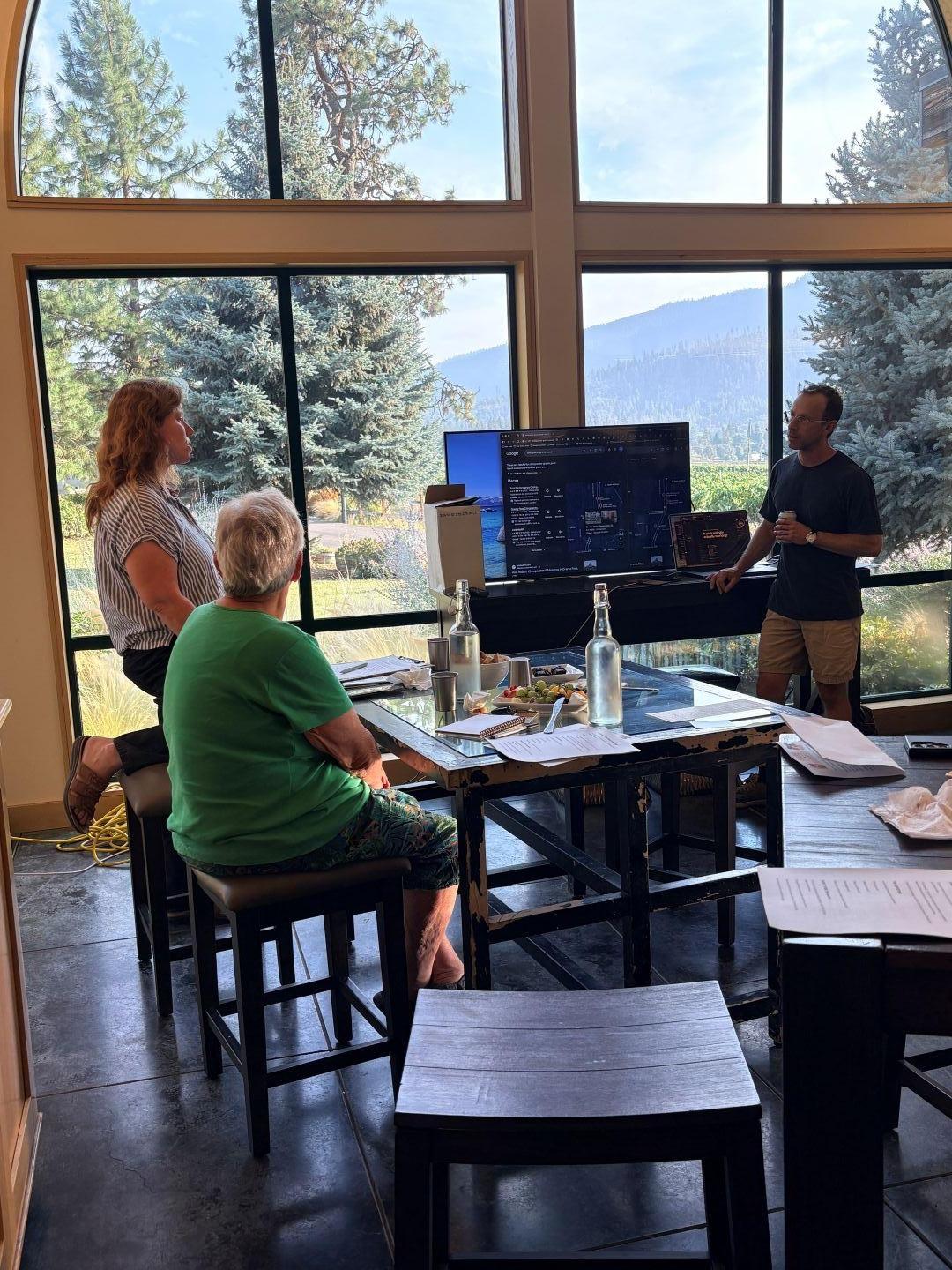
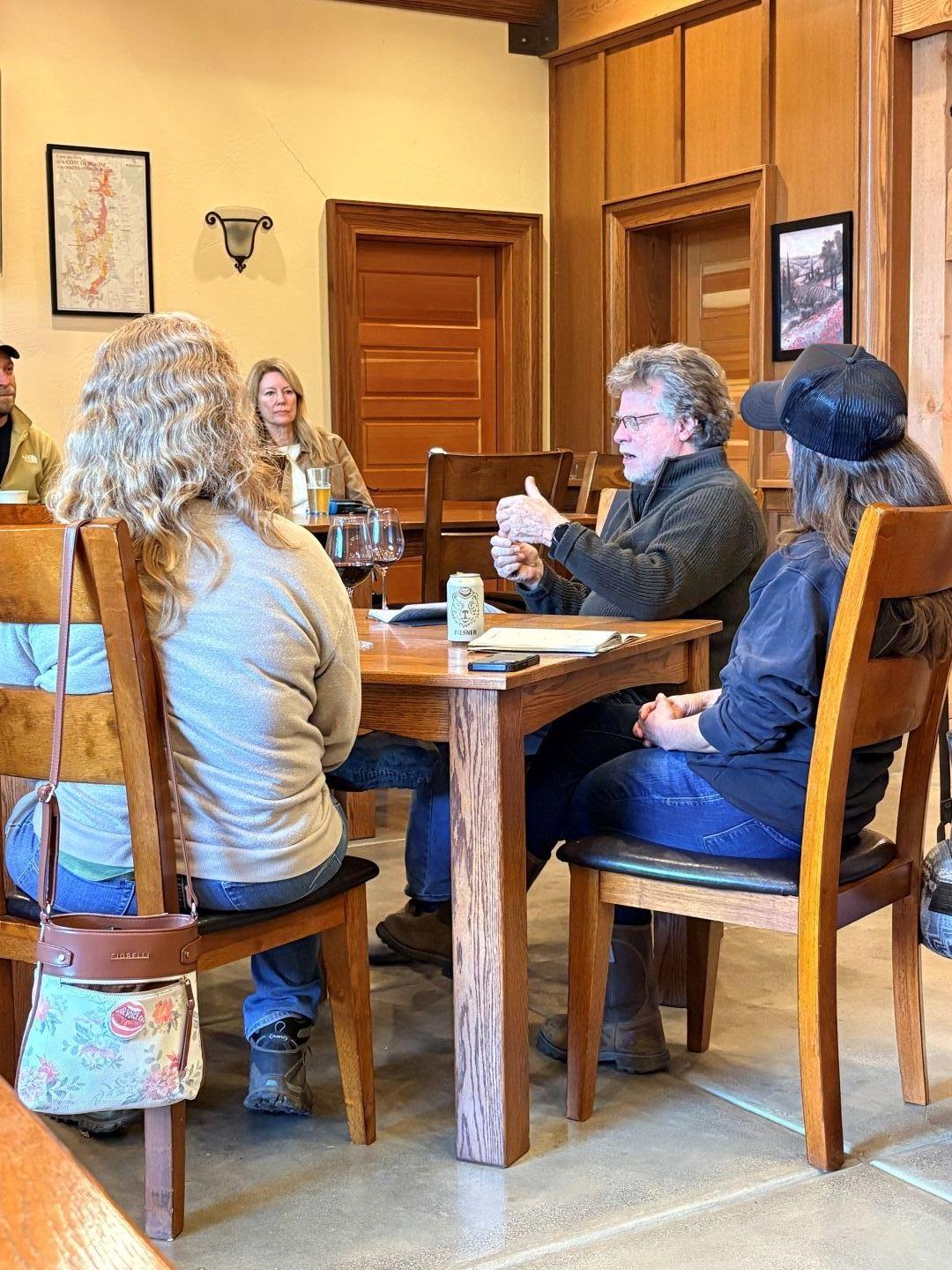
While Entrepreneur-in-Residence programs are common in urban centers, this program reimagines the model for a rural region lacking traditional economic-development infrastructure. The library serves as a community anchor while experienced local entrepreneurs provide peer mentorship and business education. Two local entrepreneurs mentor a cohort of 6-10 participants through business skills workshops focused on marketing, pricing, and strategy, supported by networking events to strengthen relationships. In partnership with A Greater Applegate (AGA), a nonprofit community-building organization, the program combines library resources with local expertise to create a rural-focused entrepreneurship model. By formalizing peer mentoring and leveraging trusted local voices, the program promotes economic opportunity in underserved communities. Its low-cost structure and reliance on community partnerships make it easily replicable for rural libraries seeking to support local business development.
Achieved Outcomes
The project addressed key rural barriers: limited business infrastructure, isolation, and gaps in entrepreneurial skills. Through the partnership, A Greater Applegate expanded awareness of its business directory and strengthened connections among local businesses. Use of the library's Business Insights database increased from 93 to 115 retrievals and from 18 to 23 sessions between FY25 and FY26. To reduce isolation, two entrepreneur meetups were held in August 2026; a third was canceled due to a nearby wildfire. Participants reported that interacting with other business owners helped them recognize shared challenges and build local support networks. Five participants completed pre- and post-program assessments, showing growth in every business competency measured. The largest increase was in Marketing & Sales, rising from 2.1 to 4.0 on a five-point scale. Strategy & Planning increased from 2.4 to 3.1, Financial Management from 2.5 to 3.2, and Operations & Logistics from 2.6 to 3.5.