Reducing Barriers: Building an Accessible Library
Fort Worth Public Library
Innovation Synopsis
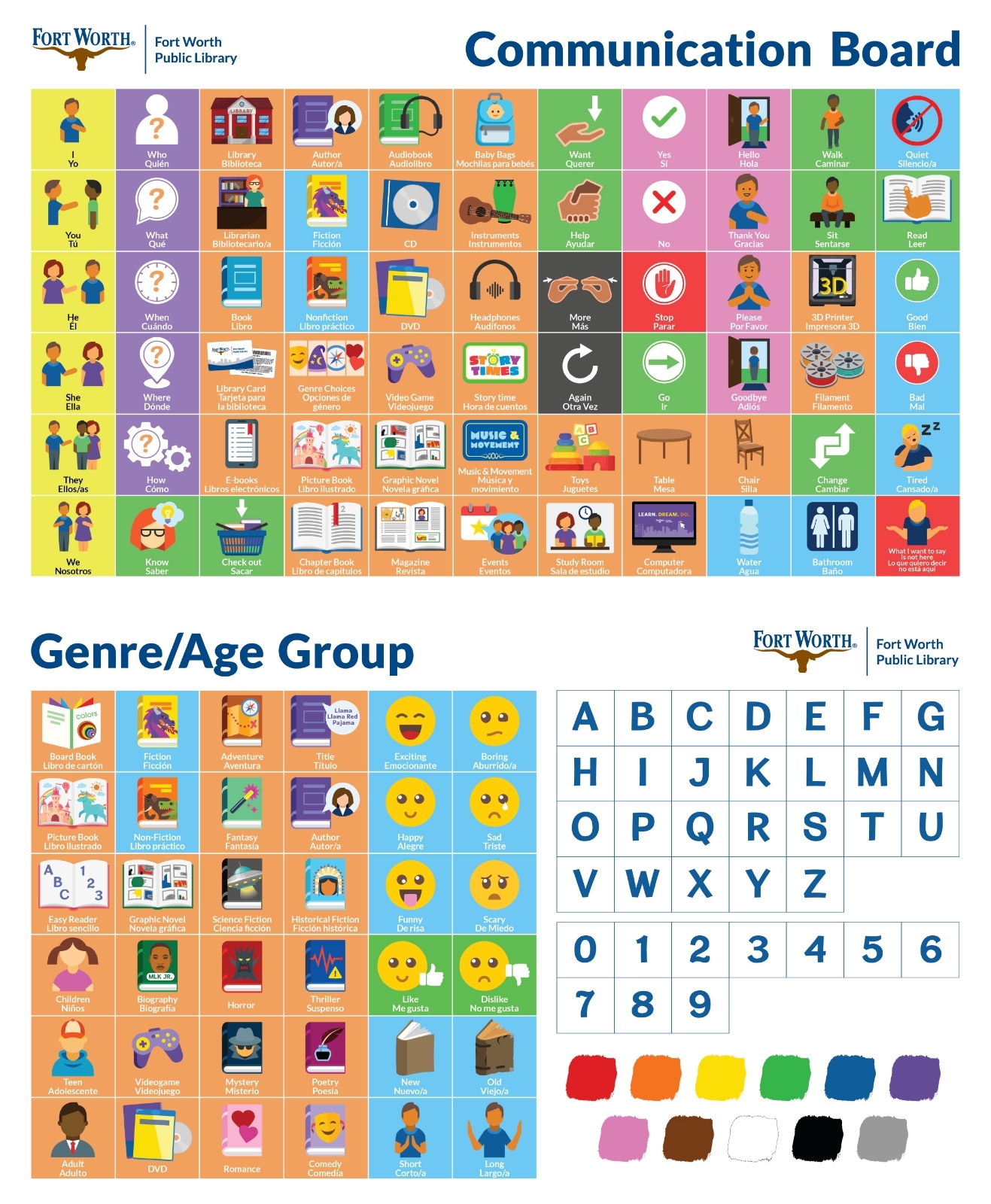
It started with just one child. A request from one Fort Worth family for an augmentative and alternative communication (AAC) board prompted Fort Worth Public Library to take a closer, more intentional look at accessibility across the entire library system. What began as a conversation about a single communication tool quickly grew into a broader, systemwide initiative examining how physical spaces, programs, collections, digital content, signage, policies and everyday interactions support—or unintentionally limit—equitable access. Through strong community partnership, visits to every library location, staff input and practical recommendations, FWPL has made meaningful progress in identifying, understanding and removing barriers so more residents can fully participate in all library services. The library continues building on this solid foundation, expanding its commitment to creating welcoming, accessible experiences for everyone in Fort Worth.
Challenge/Opportunity
There was a child who deserved a better library experience. When community member Kendra Frank asked FWPL to install an AAC board inspired by the communication tools used by her nonverbal son, Elliott, her request revealed a broader need. If Elliott faced barriers in fully experiencing his library, who else might be encountering obstacles we hadn’t recognized? FWPL realized it needed to move beyond isolated accommodations and examine accessibility across the entire system. The initiative aimed to address inconsistent practices, hidden barriers, and the need to look beyond physical and ADA requirements to include communication, sensory, digital, and programmatic access. It also highlighted the importance of staff training and practical tools, along with including people with lived experience in accessibility decisions. The goal wasn’t just compliance but understanding who might be unintentionally excluded and finding realistic ways to reduce those barriers.
Key Elements of Innovation
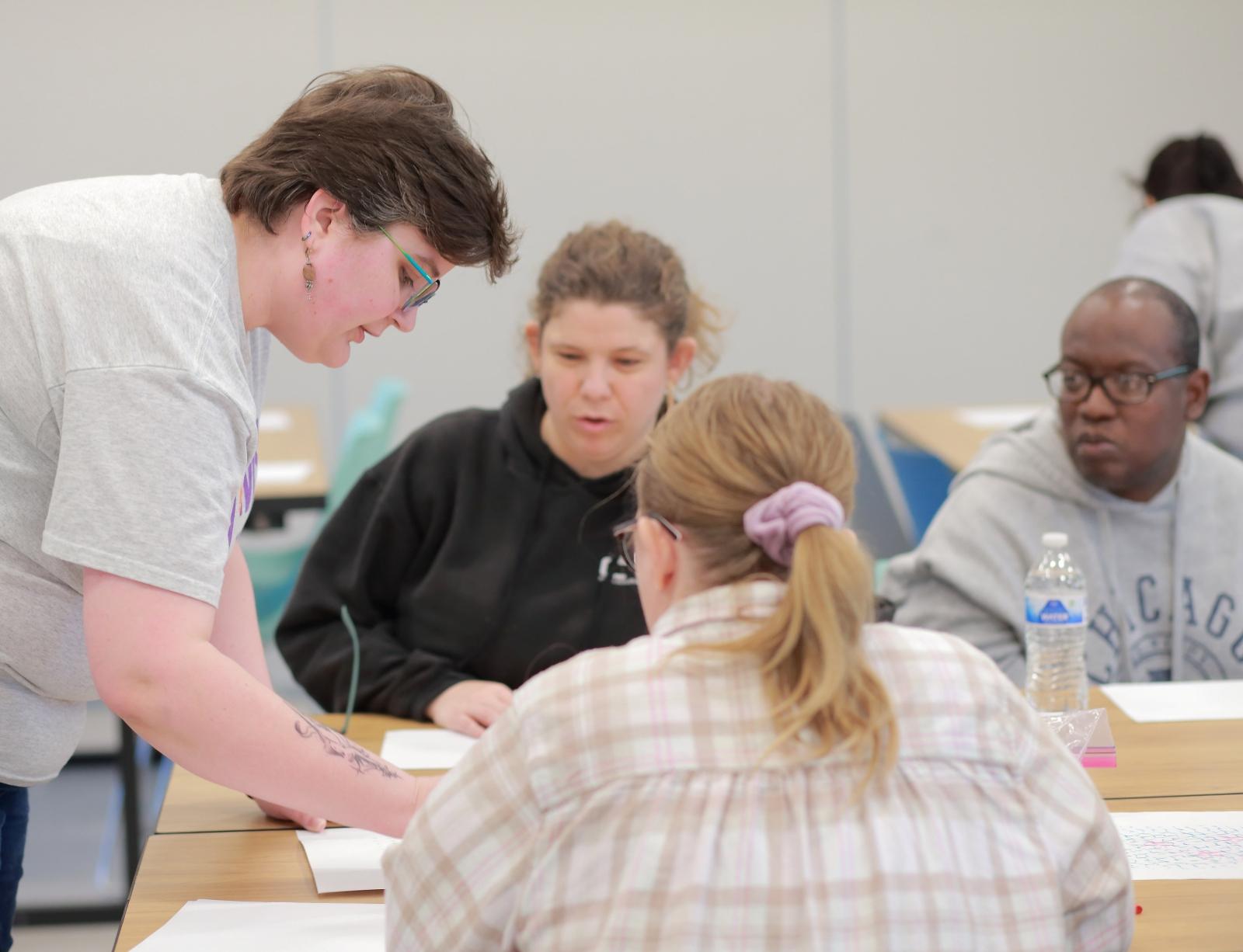
Rather than treating the request as a single project, FWPL formed an accessibility workgroup and expanded the effort systemwide. The team gathered feedback from lived experience, frontline staff and systematic assessment. They conducted walk-throughs of all 20 locations and the Operations Center using an accessibility checklist; interviewed staff about barriers they observed or experienced and surveyed employees; examined physical spaces, signage, digital content, collections, programs and staff training; developed recommendations for devices, training, programming, policies and online resources; created Accessibility Toolkits for each branch to support guests with sensory needs; partnered with Lifelong Learning to launch sensory-friendly programs and staff training; and brought all pieces together in an Accessibility Resources webpage featuring collections, services, AAC board and Toolkit information, sensory and adaptive programs and additional resources.
Achieved Outcomes
The initiative expanded a single accessibility request into a systemwide review of how FWPL serves patrons with disabilities and varied access needs. Accessibility became an organizational priority rather than the responsibility of any single program or employee. Early outcomes include documented accessibility assessments at all facilities and broad staff participation; AAC boards and Accessibility Toolkits at every branch; more than 1,300 attendees at adaptive and sensory programs between 7/1/25 and 7/31/26; building improvements systemwide; and creation of an Accessibility Resources website. After the workgroup’s presentation at the Texas Library Association conference, other Texas libraries adopted FWPL’s AAC board designs. Ongoing success will be measured through implementation of recommendations, staff training, use of accessibility resources, customer feedback, and ongoing removal of barriers to accessibility.