Multipartial Facilitation - Black Justice
San Diego Public Library
Innovation Synopsis
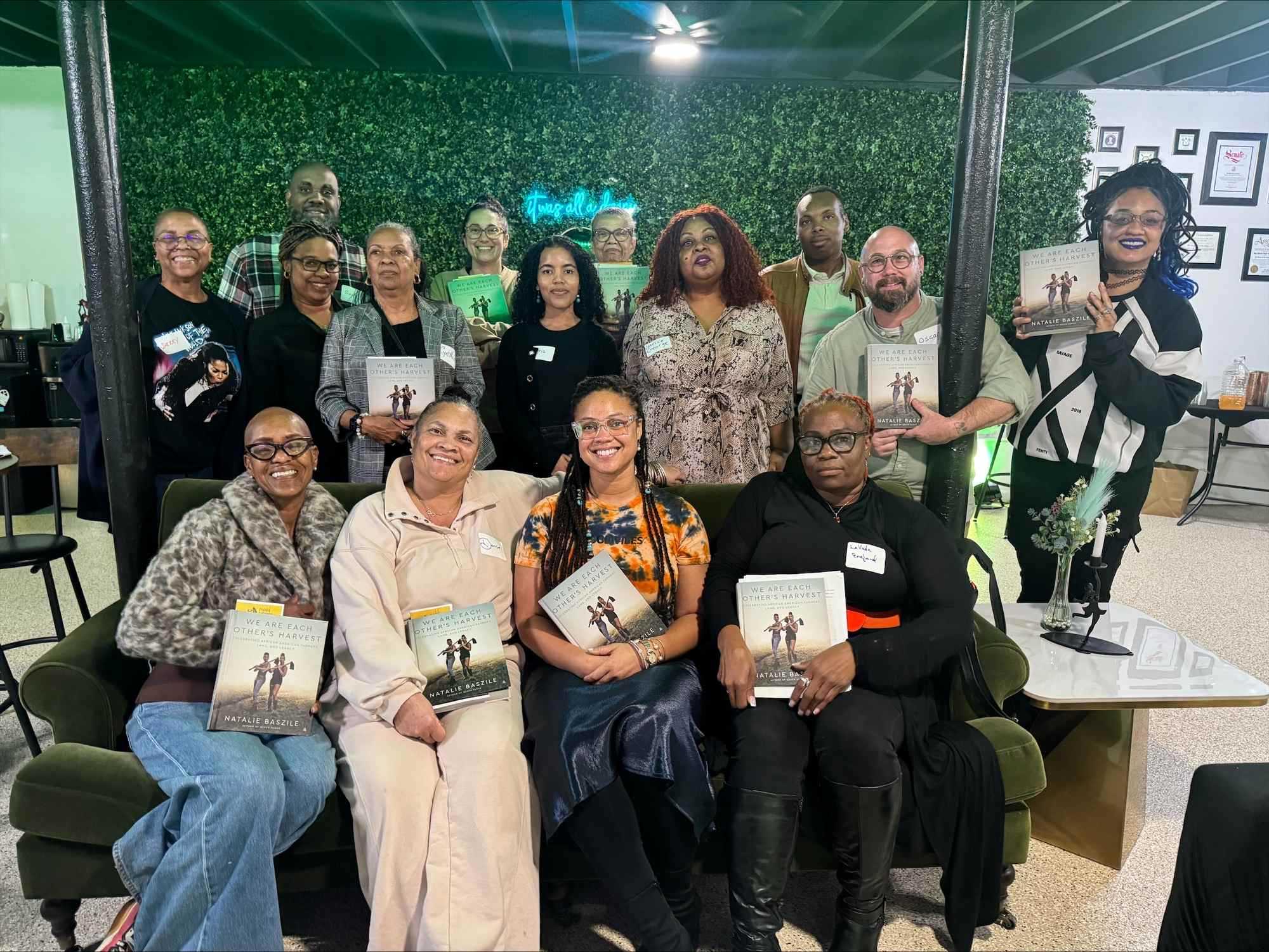
The San Diego Public Library hosted several book discussion programs centered around Black justice and food justice utilizing Multipartial Facilitation tools from Everyday Democracy. SDPL partnered with the San Diego Black Arts and Culture District (SDBACD), The Block Club (a free co-working space), the University of San Diego (USD), Copley Library, and multiple black justice, food justice, and sustainability partners to host several book programs focused on the title We Are Each Other's Harvest: Celebrating African American Farmers, Land, and Legacy, by Natalie Baszile. This book includes photography, short stories, and poetry, which made it more accessible and easier to break up into multiple discussions.
Challenge/Opportunity
Utilizing Multipartial Facilitation allows for equitable and inclusive conversations around community challenges. This style of facilitation calls on library staff to recognize shifting power dynamics during the conversation, introduce missing perspectives, highlight the voices of those most directly impacted, challenge misinformation, and it also calls on participants to consider the perspectives of others. The San Diego Black Arts and Culture District, where the discussions were held, exist in an area that the City has identified as a “Community of Concern” due to environmental and climate impacts to the community, including access to green space, land, and healthy food. This community also experienced significant damage when floods hit San Diego in 2024.
Key Elements of Innovation
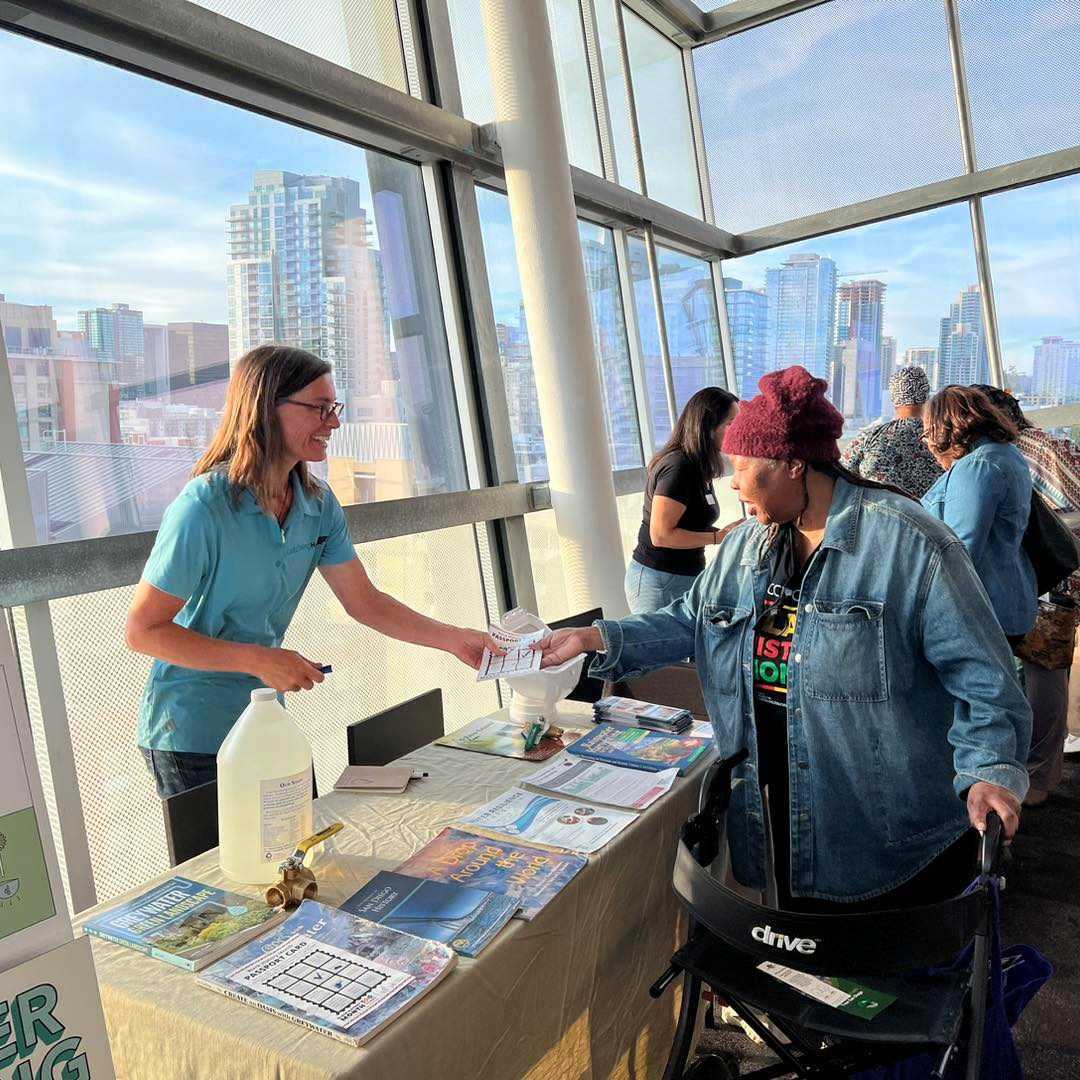
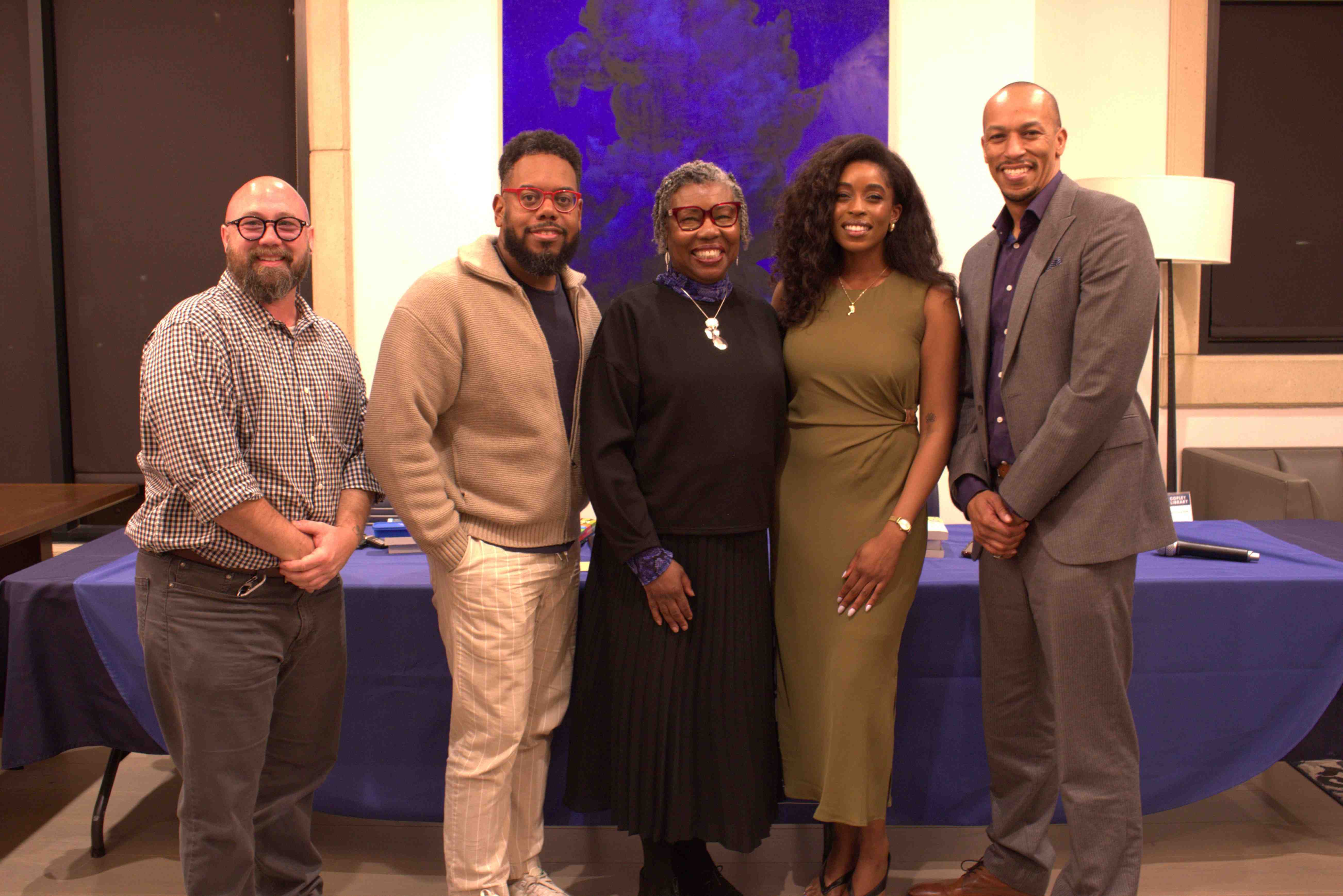
Structure: Neutrality is often seen as a way to create equality, however by not taking a stance a library can reinforce the status quo, which often benefits dominant narratives & leaves inequities in place. Whereas Multipartial Facilitation allows multiple viewpoints, points out power imbalances due to identity, interrupts dominant narratives, & shifts power to create equity. Partners: San Diego Black Arts & Culture District, Block Club, Univ. of San Diego Copley Library, and several black justice, food justice, and sustainability organizations. Activities: SDPL collaborated on multiple book discussions, including a resource fair, & a community author talk with Natalie Baszile discussing, We Are Each Other's Harvest: Celebrating African American Farmers, Land, and Legacy. Unique: Using Multipartial Facilitation during a book discussion shifts power & creates greater equity in the space. Our book discussions included those with graduate degrees & those who disclosed reading disabilities
Achieved Outcomes
Outcome: We have an ongoing relationship with our partners & are planning 2027 programs. Another outcome included a comment from a participant in the district, “Regarding the program, we have a unique path for developing the hill behind our venue into a local garden.” Measure: The measure of success included program surveys showing positive program impact. We also saw consistent monthly attendance at our book discussions & over 100 patrons attended the larger community author talk. We received positive feedback from partners, including this comment, “I also wanted to mention how amazing the author discussion and book signing event went! The conversation was so rich and engaging and it was wonderful to see everyone come together to share in the excitement. Moments like these remind me why I love being part of this community.” Partnerships: New partnerships were made with the SDBACD, Block Club, & multiple black justice, food justice, and environmental justice organizations.