Lullaby Project: Learning Across Prison Walls
Kitchener Public Library
Innovation Synopsis
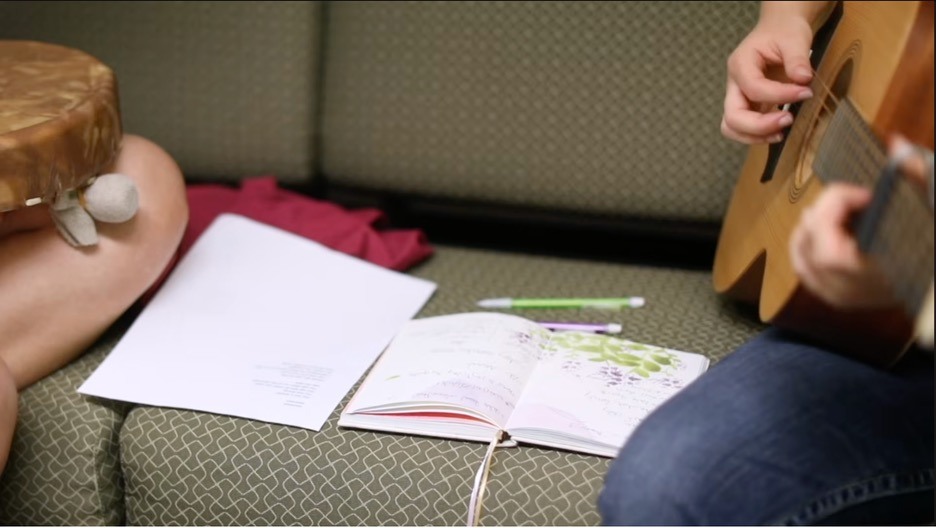
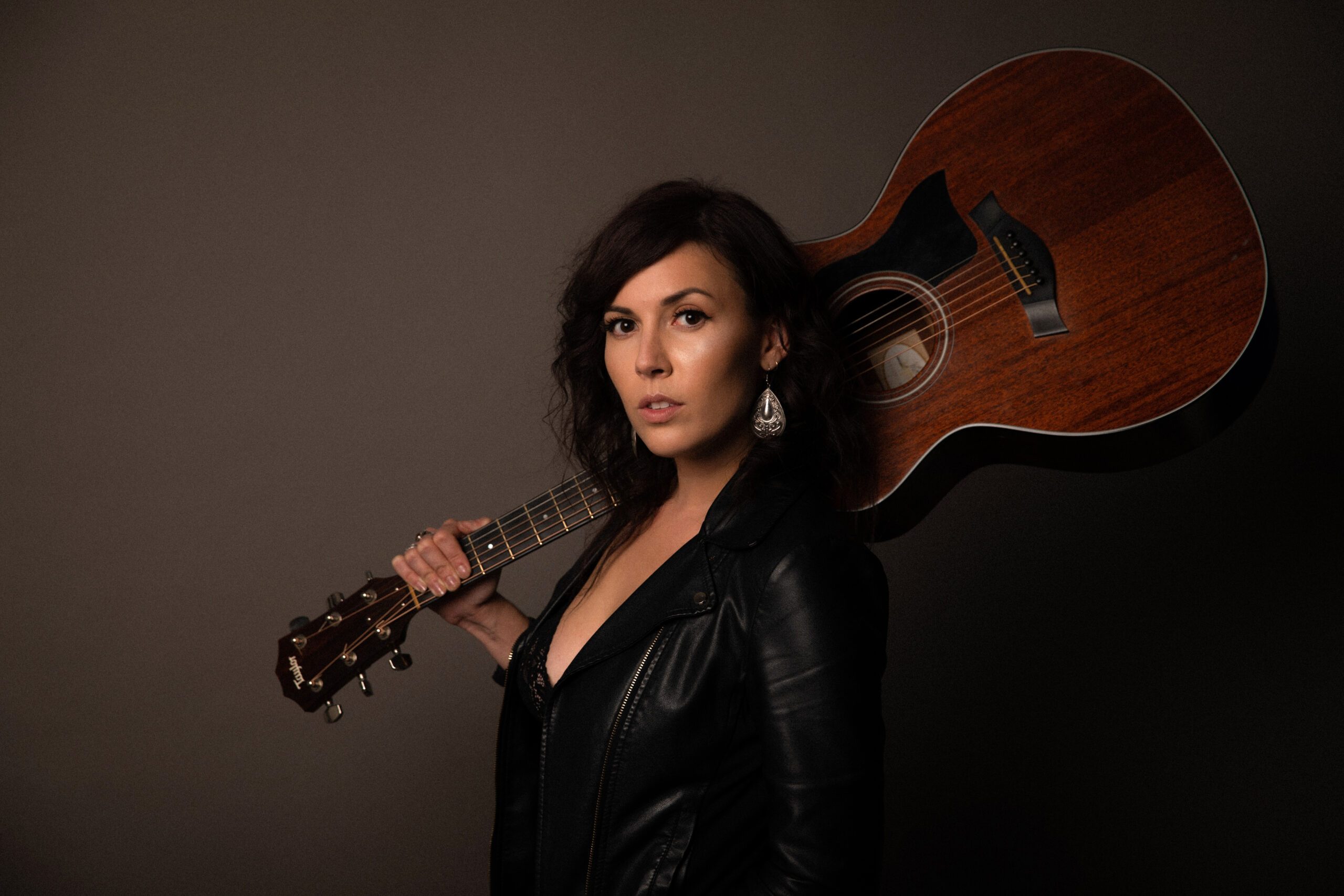
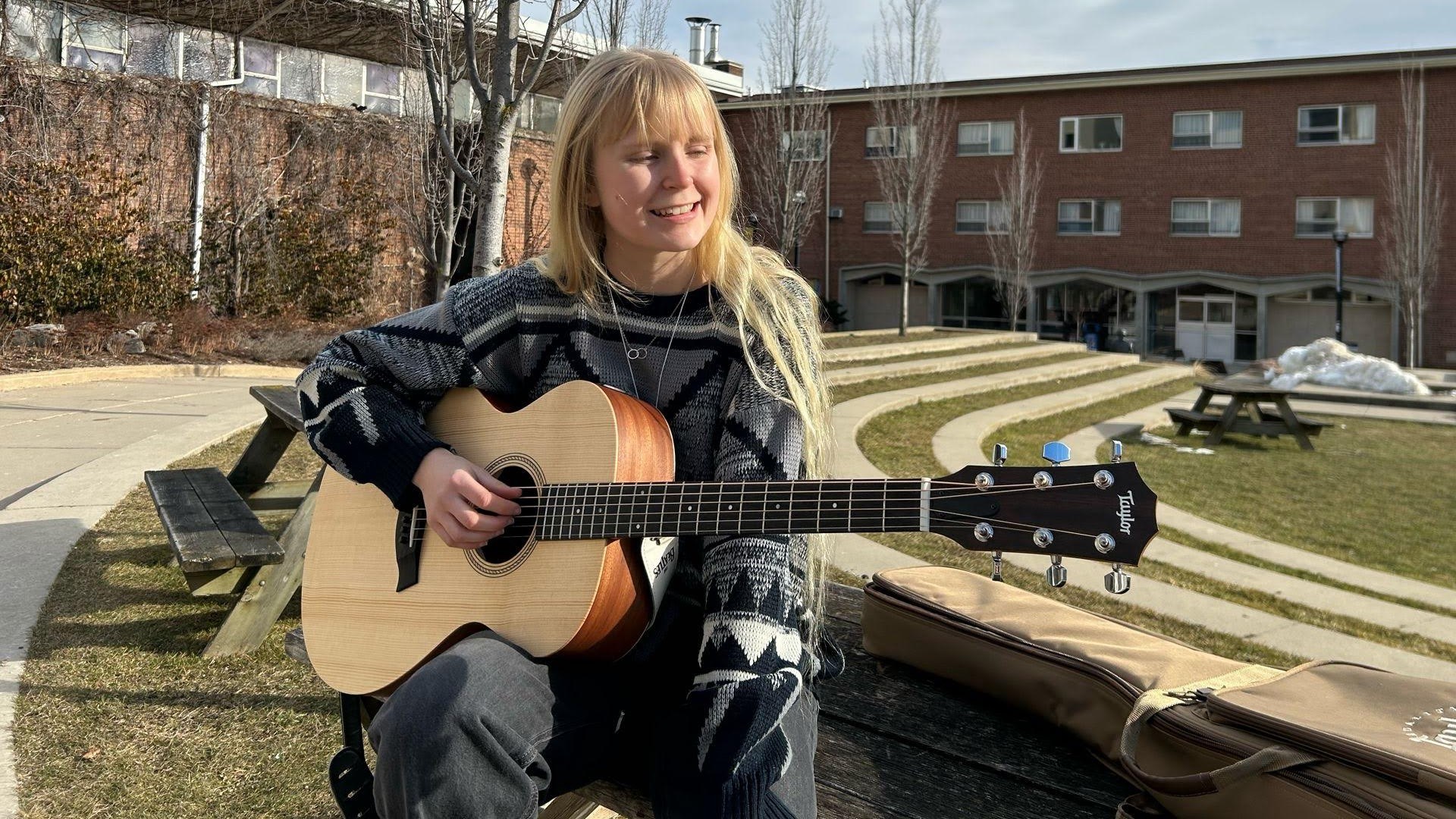
At Grand Valley Institution for Women (GVI), Kitchener Public Library’s Lullaby Project uses a partnership model to bring professional, one-to-one arts learning to incarcerated mothers who cannot access public library resources and may be separated from their children. Supported by the prison librarian and a teaching artist, each mother turns memories, letters and hopes into an original recorded song – building writing, storytelling, musical and recording literacy while creating a language-rich family resource that can cross prison walls. In 2025–26, the project emphasized delivery in a correctional setting; its trauma-informed approach centres choice and consent, while a new nine-song album and documentary centred on Grand Valley Institution made participants’ learning and the prison librarian’s role visible to the wider community.
Challenge/Opportunity
Public library learning may assume that people can enter a branch, use digital tools and remain connected to family. At a federal correctional institution, movement, scheduling, technology and outside access are restricted. Incarcerated mothers may be separated from children, experience stigma and have few safe opportunities to express love, identity or hope. Children can lose access to a parent’s language, stories and cultural knowledge. KPL saw an opportunity to move high-quality creative learning across prison walls through its GVI relationship. The challenge was to coordinate access; require neither musical experience nor disclosure; give each mother control over pace, language, content and sharing; support artists working with difficult material; and create a recording that could reach a child despite separation. Delivery depends on the prison librarian, whose role provides continuity and trust but is vulnerable to federal staffing reductions.
Key Elements of Innovation
GVI’s librarian is the internal bridge, coordinating institutional access, approvals and communication while providing a trusted, consistent presence.
Three individualized sessions move from memories and letters to lyric writing, composition, recording and reflection.
Trauma-informed principles shape delivery: choice, voice, flexible pacing, strengths-based collaboration and control over sharing.
Research informs the design: repeated singing gives children vocabulary, imagery, rhyme, rhythm and sound patterns linked to communication and later reading. Mothers practice writing, reflection, collaboration, musical choice, recording and responsive communication.
KPL funds and administers the project and supports recording and distribution; Carnegie Hall supplies resources and artist development; a local therapist supports songwriters pro bono. A 2026 album and GVI-focused documentary extended private mentorship into public recognition and learning.
Achieved Outcomes
From 2024 to 2026, 27 participants completed 27 songs through 84 in-person sessions - one song per participating mother.
GVI participants reported new lyric-writing ability, greater confidence as mothers and stronger connection with children. One called her song “a piece of me”; the GVI librarian saw mothers “blossom” while telling their stories.
A poem written after childbirth became a lullaby played at a foster-parents’ gala after the mother’s release and reunification. Another participant used recorded storybooks, family photos and Indigenous identity to write for three grandchildren.
May 2026: nine recordings were released with consent; the collection now spans four annual albums.
The Lullaby Project documentary screened in Kitchener in summer 2026, centred GVI delivery and showed how the prison librarian enables participation even as federal cuts threatened such positions.