Harm, Healing, and Community Voices
Chesterfield Public Library
Innovation Synopsis
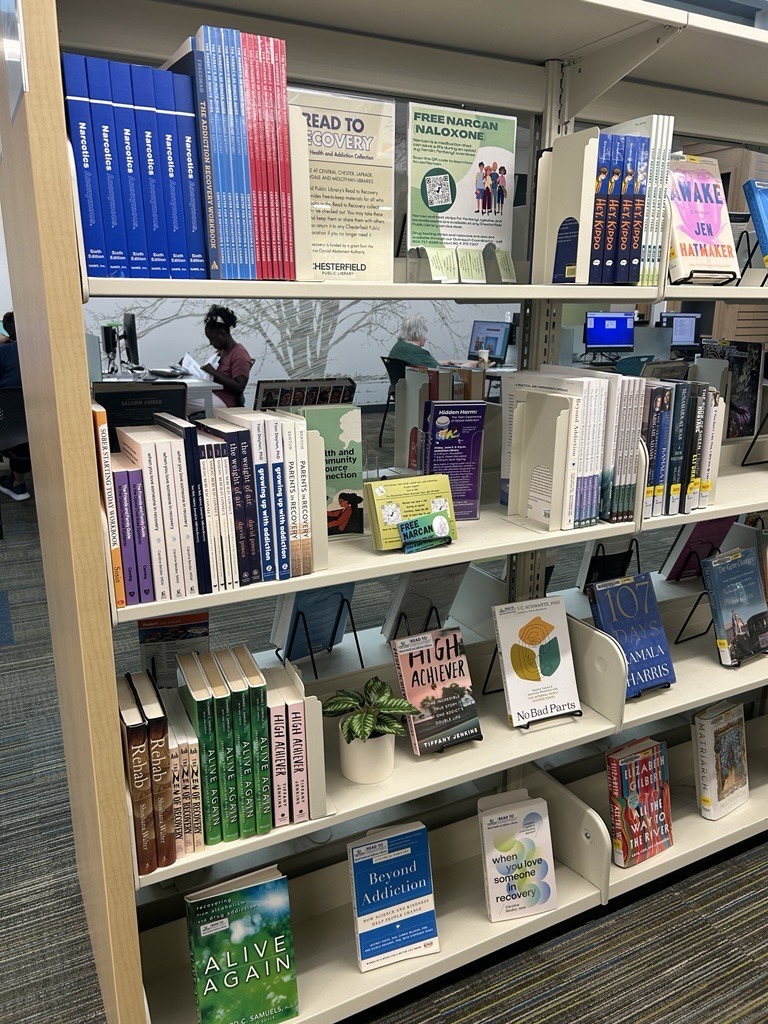
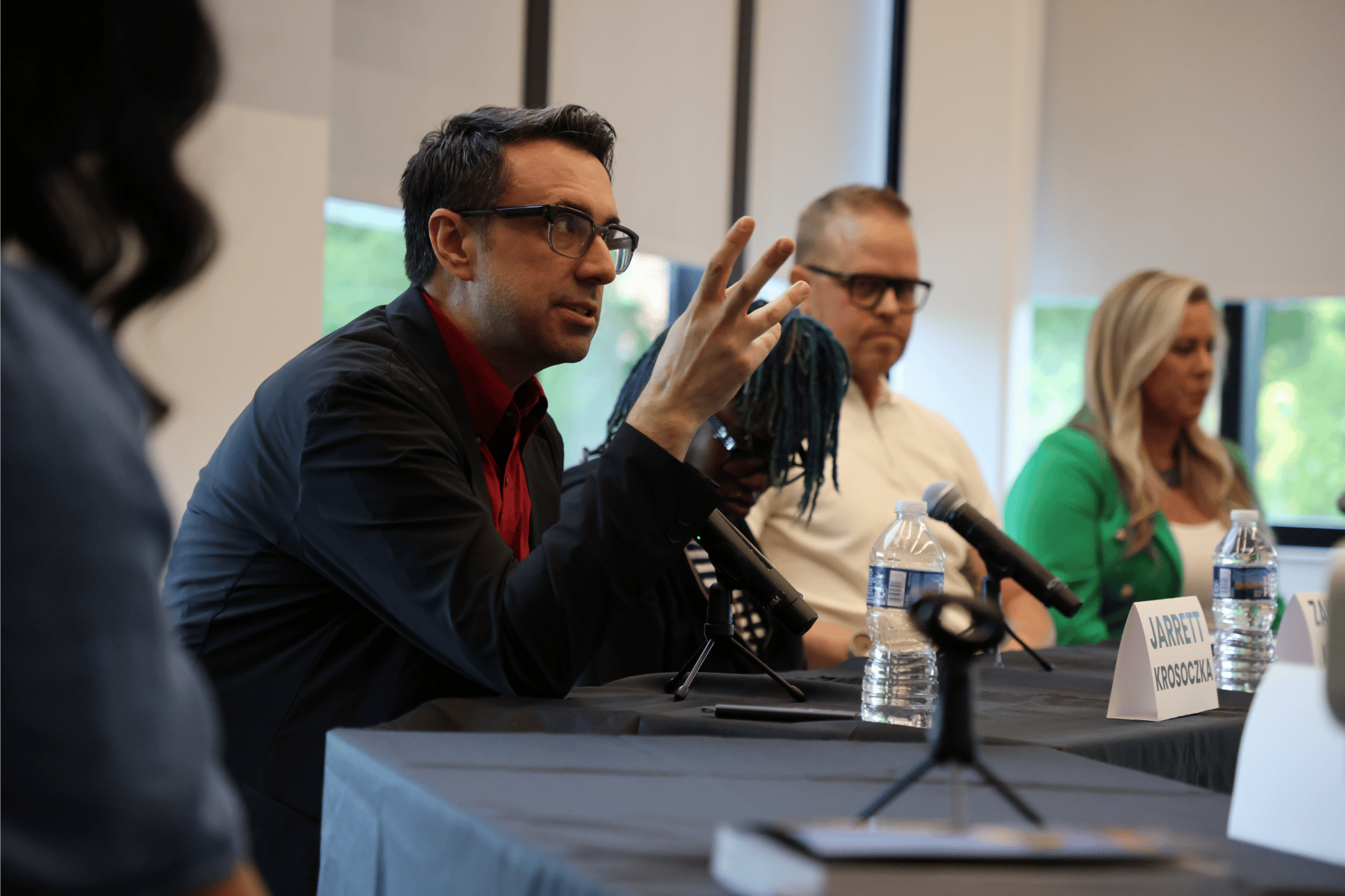
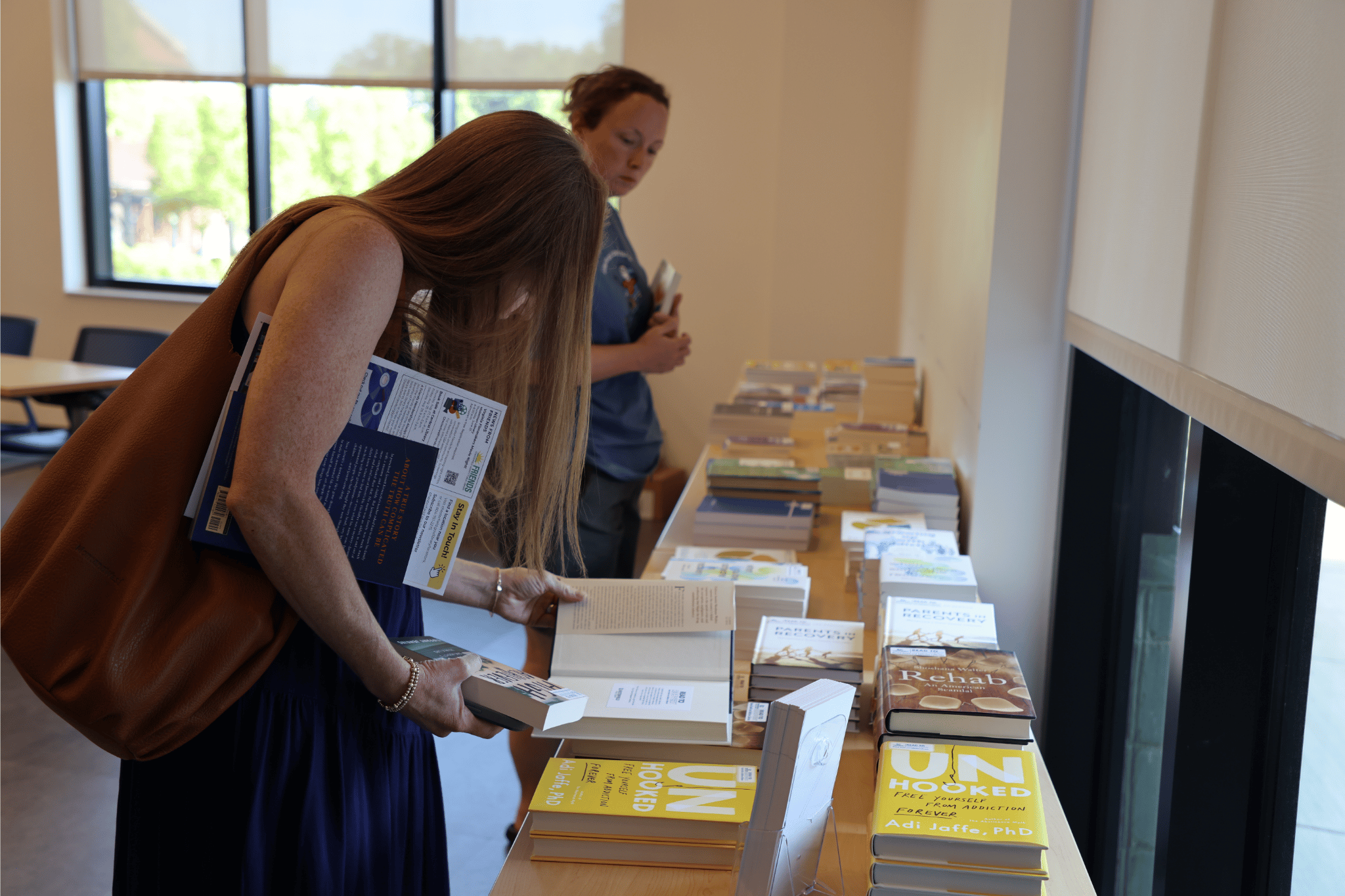
The Read to Recovery collection at Chesterfield Public Library, created in partnership with the Virginia Opioid Abatement Authority (OAA), provides barrier‑free access to books supporting opioid addiction recovery. No library card, staff interaction or return requirements are needed, allowing individuals and families to freely use materials throughout their recovery journey. Building on this effort, the library launched “Hidden Harm: The Teen Experience of Opioid Addiction,” a panel discussion exploring the impact of opioid use on teens as users and as family members. Panelists included author Jarret J. Krosoczka and a teen graduate of the county’s Recovery Academy. Krosoczka wrote “Hey, Kiddo,” an autobiographical graphic novel about his life with a mother suffering from opioid use disorder. The event strengthened community awareness of Read to Recovery and featured the addition of new titles. Participants received books from the collection.
Challenge/Opportunity
Chesterfield County continues to confront a shifting opioid epidemic, from early over‑prescription to today’s fentanyl‑driven overdoses. The response includes coordinated substance‑use efforts, mobile outreach with harm‑reduction supplies, community Narcan training and treatment and recovery programs. Chesterfield Public Library supports these initiatives by distributing free prevention materials and expanding access to recovery resources. When the Virginia OAA sought new ideas, the library launched Read to Recovery, a barrier‑free resource offering books on addiction and recovery in locations with high overdose rates. Building on this opportunity, the library hosted “Hidden Harm: The Teen Experience of Opioid Addiction,” a panel discussion of the impact on teens as users and family members. The funding allowed titles to be added to the Read to Recovery collection and distributed at the event. These efforts strengthened community awareness and expanded support for those affected.
Key Elements of Innovation
The library’s innovation pairs barrier‑free recovery literature with direct community engagement to address the opioid crisis in new ways. In partnership with the Virginia OAA and county Mental Health Support Services, Read to Recovery places free, no‑checkout recovery materials in branches located in high‑overdose areas, aligning library service with harm‑reduction outreach. Expanding this model, the library launched “Hidden Harm,” a teen‑focused panel featuring a YA graphic novelist, a Recovery Academy graduate and others to reveal the impact of opioid use on youth. The program distributed Read to Recovery titles and grew the collection. This integrated approach—combining literature access, lived experience and prevention messaging—positions the library as a cutting‑edge recovery partner and reimagines how libraries can reduce stigma, meet people where they are and support community healing.
Achieved Outcomes
The innovation has demonstrated clear impact. More than 500 Read to Recovery titles have been taken or borrowed, and regional media coverage led new users to seek out the collection. The number of libraries hosting the collection has increased from three to five, expanding access to the resources. County leadership highlighted the initiative through newsletters and social media, strengthening visibility. “Hidden Harm” drew 43 attendees and resulted in distributing eight boxes of Narcan, 11 lock bags, 26 disposal pouches, four gun locks, and 23 books, expanding harm‑reduction reach. Partnerships with the Virginia OAA and county Mental Health Support Services deepened through ongoing material distribution and program coordination. Staff report that customers appreciate the anonymity and accessibility of the collection, and families have expressed gratitude for resources that support recovery and open conversations about opioid use.