From Interns to an Internal Dev Team
Pikes Peak Library District
Innovation Synopsis
Pikes Peak Library District (PPLD) turned a summer IT internship into a small, mentored development lab. Interns worked beside Library IT staff on real operational problems, using current development and design tools to improve the Freshservice service desk experience and prototype a new staff scheduling platform. The pilot gave emerging technologists meaningful experience while giving the IT team a chance to strengthen its own mentoring skills, learn from technologies now being taught in classrooms, and test what an internal development team can accomplish with a very small software budget.
Challenge/Opportunity
PPLD saw two opportunities at once: strengthen the pipeline of new technology professionals and test whether a public library IT department could build useful internal solutions instead of always buying them. The project was conceived as an IT “give-back” effort at a time when the computer science education pipeline is showing signs of contraction. Interns needed authentic experience beyond classroom assignments, while experienced staff needed opportunities to practice mentoring and stay close to newer tools and development approaches. Internally, PPLD also had real workflow needs in service-desk usability and staff scheduling that were suitable for a focused pilot.
Key Elements of Innovation
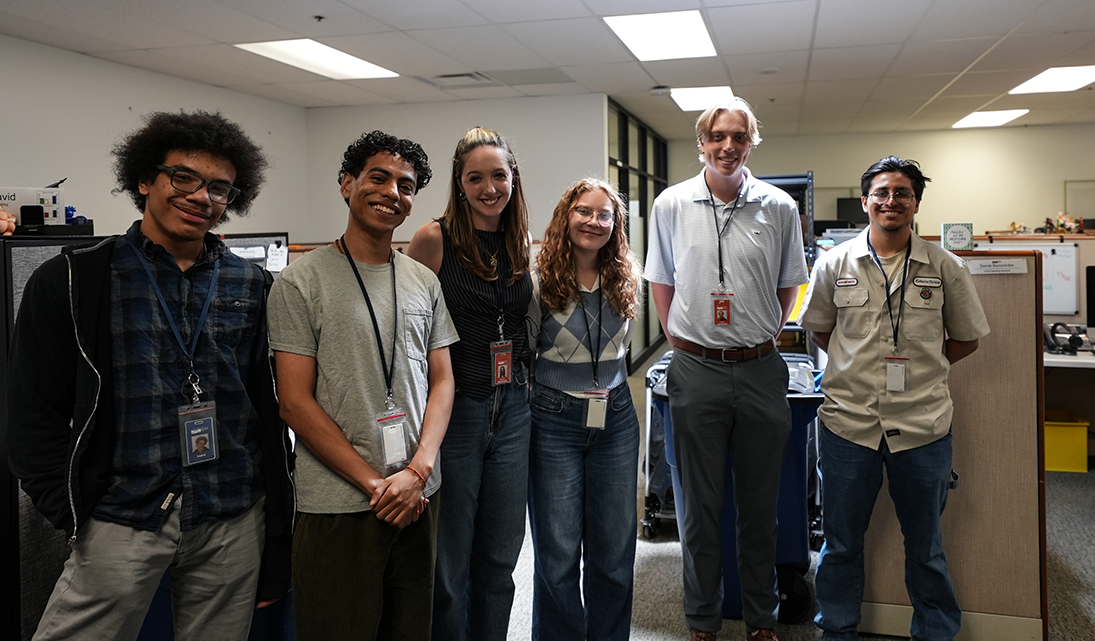
Five interns were organized as a small development team with PPLD IT staff serving as mentors, stakeholders, and technical guides. The team used empathy mapping, stakeholder interviews, wireframes, iterative prototypes, Git/GitHub, VS Code, Figma, Python, Power Pages, and other contemporary tools. Work centered on two real Library needs: improving the Freshservice dashboard/ticketing experience and creating “Punctual,” a scheduling prototype shaped by manager feedback. The experiment was deliberately structured as a development-team pilot: interns owned roles and deliverables while IT staff coached, reviewed, removed blockers, and learned alongside them.
Achieved Outcomes
The pilot produced two redesigned Freshservice dashboards and a functional Punctual scheduling website/prototype with reusable scheduling templates and an interactive interface. Just as important, IT staff gained hands-on mentoring experience and direct exposure to tools, workflows, and techniques currently being taught to new technologists. The team demonstrated that a library can stand up a small internal development effort using mostly free or already-available tools: the project budget listed the core software stack at $0 and only $200 in total pilot tool/contingency costs. That creates a repeatable path for prototyping before committing to vendor or consulting expense.