Designing For Every Mind
Cambridge Public Library (Ontario, Canada)
Innovation Synopsis
Cambridge Public Library, (Ontario, Canada) reimagined the traditional library study room by creating two intentionally designed spaces that recognize that people do not all learn, focus, or regulate themselves in the same way. The Multi-Sensory Room provides a calm, supportive environment for people who benefit from sensory regulation, while the KineStudy Room uses movement, flexible furniture and tactile tools to support active learning and concentration. Together, these spaces make the library more equitable by removing environmental barriers and giving community members meaningful choice in how they experience public space.
Challenge/Opportunity
Traditional library spaces are designed around one model of learning: sit quietly, remain still and concentrate. This can exclude people whose sensory, neurological or learning needs do not fit that model.
CPL saw an opportunity to rethink library space through an equity and inclusion lens. Rather than requiring individuals to identify themselves or request an accommodation, we created environments where different needs are anticipated and supported as part of everyday service.
The project sought to:
• Support sensory and neurological needs.
• Provide alternatives for people who regulate through movement, tactile stimulation or reduced sensory input. These spaces are rarely available free outside school or therapeutic settings.
• Make inclusion part of physical library design.
• Create welcoming environments for children, teens, adults, families and people with disabilities.
• Develop affordable, replicable approaches for implementation throughout the library system.
Key Elements of Innovation
The project combines two complementary approaches to equitable library design.
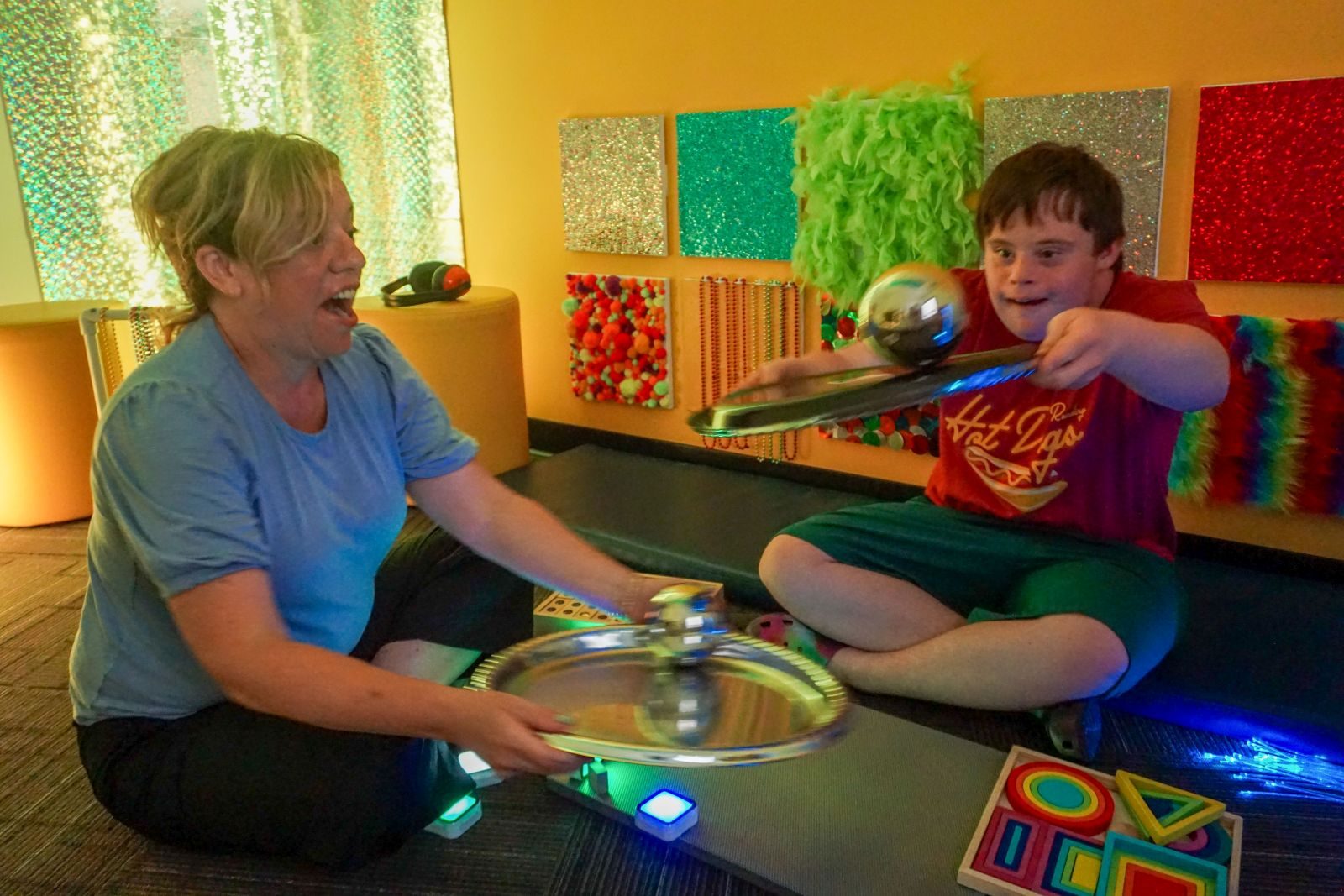
Multi-Sensory Room: A dedicated space offering choice and control over sensory stimulation through calming and interactive elements, tactile materials, varied textures, flexible seating and sensory features. It provides a supportive environment to regulate, decompress or engage with sensory experiences.
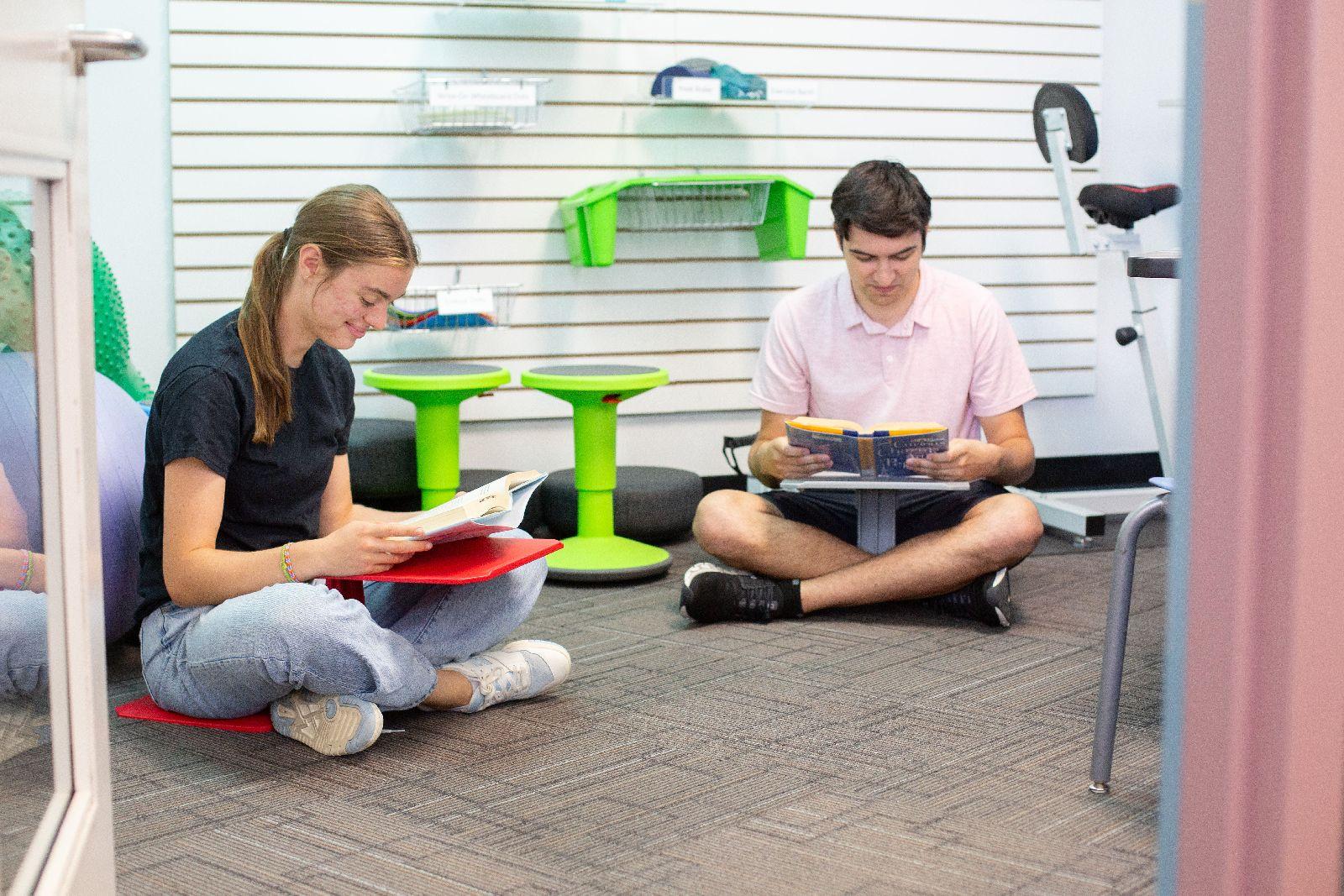
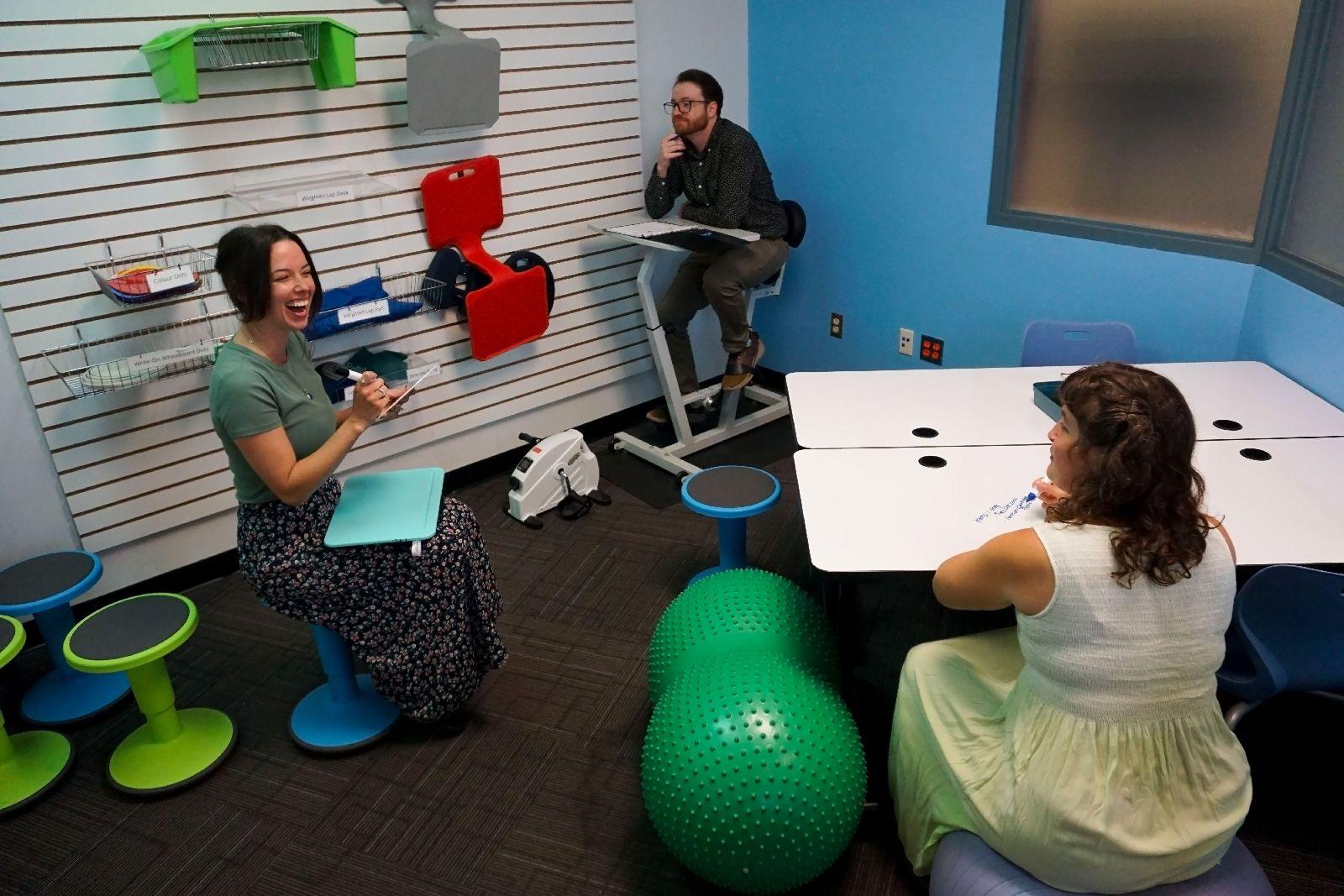
KineStudy Room: A study environment designed around the brain-body connection. Movement and tactile tools—including wobble stools, rocking cushions, a Desk bike, pedal exerciser, foot roller, weighted lap desks, whiteboard tables and floor-based options—provide alternatives to conventional seated study.
Both spaces are self-directed. Users choose what works for them without disclosing a disability or requesting an accommodation. Together, they shift the library from one-size-fits-all environments toward choice-based, neuroinclusive design.
Achieved Outcomes
With a $15,000 investment, the KineStudy and Multi-Sensory Rooms met their objectives. In 2025, the KineStudy and Multi-Sensory Rooms generated a combined 1535 visits. Based on 2026 usage to date, they are projected to generate approximately 1844 visits this year, a 20% increase in overall usage. The project ultimately transformed two underutilized rooms with declining usage into high demand, purpose driven spaces that better serve diverse community needs.
The initiative has expanded system-wide: all Cambridge Public Library locations now offer sensory items, and a sixth branch is adding a dedicated Multi-Sensory Room.
This project proves that inclusive library design can be affordable, scalable, and heavily used. Most importantly, it shifts Cambridge Public Library's approach to public space where we adapt environments to support the diverse ways people learn, focus, move, and self-regulate, rather than expect patrons to adapt to traditional spaces.