Community Medical Health Clinics
Toronto Public Library
Innovation Synopsis
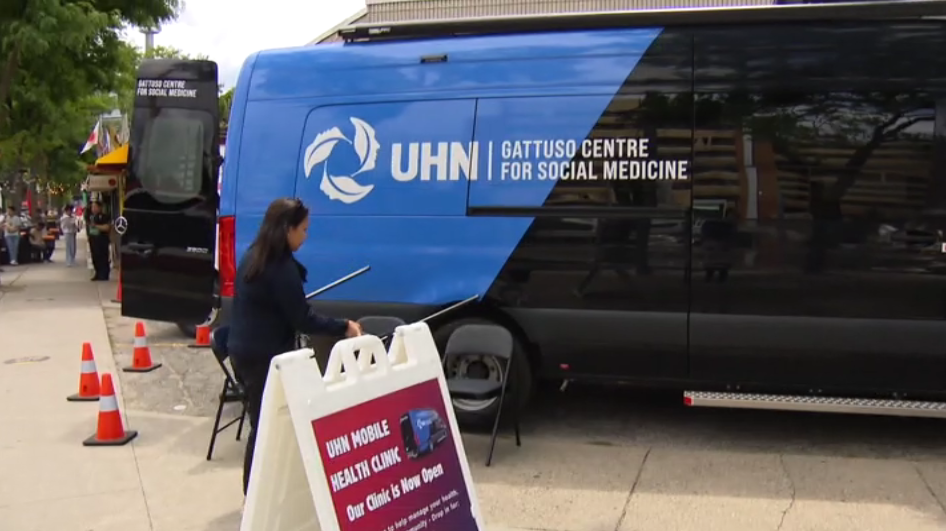
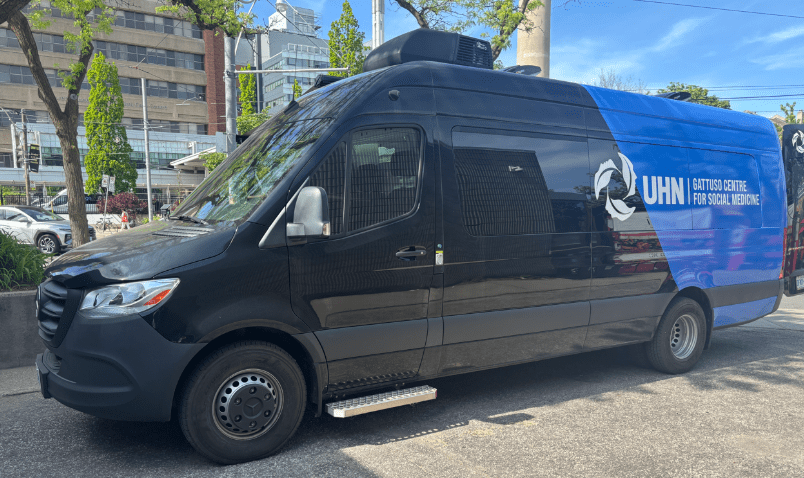
Toronto Public Library (TPL) partnered with the University Health Network’s (UHN) Gattuso Centre for Social Medicine to pilot a Mobile Health Clinic (MHC) at select library branches. It was developed in response to concerns about barriers to healthcare access faced by many Torontonians, particularly those experiencing homelessness, poverty, mental health challenges, or difficulty in finding a family physician. Through this partnership, TPL and UHN are helping connect residents with timely and accessible healthcare services. The service is designed to “meet customers where they are” by bringing healthcare directly into trusted community spaces. Through the clinic, customers can receive basic health care or address immediate medical issues, and be referred to other health services as needed. Customers are connected to TPL’s wide range of programs and services that support overall well-being, including digital access, newcomer services, employment supports, and other community resources
Challenge/Opportunity
Healthcare systems are increasingly serving individuals whose health needs are influenced by barriers to care, housing instability, mental health challenges, and substance use, in addition to medical conditions. Many people continue to face significant challenges navigating fragmented and overburdened healthcare systems. Mobile primary care is an evidence-informed approach that improves access by bringing healthcare directly into community settings and reducing barriers related to transportation, trust, stigma, and system navigation.
As trusted and accessible community hubs, public libraries play an important role in supporting community well-being. Integrating healthcare services into library spaces creates opportunities for earlier intervention, improved continuity of care, and stronger connections to health and social supports. Libraries also contribute to healthier communities by providing free access to reliable health information, digital resources, and community services.
Key Elements of Innovation
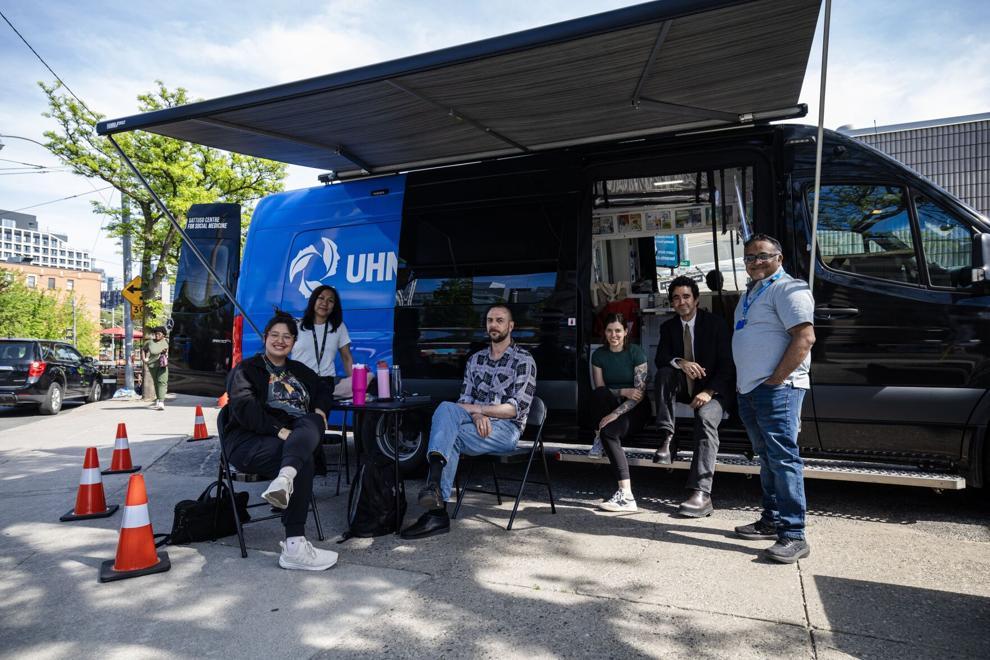
• MHCs operate out of a specially equipped van stationed at select TPL branches:
• MHCs are staffed by a nurse practitioner and community health worker
• Services are offered with minimal barriers and open to anyone that needs support. Individuals do not require any identification or health care coverage to receive care
• Services offered include a wide range of primary healthcare and support services, including: health assessments and physical examinations, chronic disease screening and management, blood pressure monitoring, wound care and treatment of minor infections, harm reduction education and overdose response support
• Branch staff raise awareness and provide referrals to the service, allowing opportunities for a warm transfer to community health services.
• Customers who access the MHC directly are referred to the branch to access TPL programs and services offered, including access computer and internet access, employment supports, newcomer services, and more.
Achieved Outcomes
Since launch in May 2026, the MHC has demonstrated a positive impact on the community, with over 50 customers accessing the service. Community feedback has been overwhelmingly positive, with customers expressing appreciation for the service and strong interest in its continuation. The initiative has also generated interest among community health partners seeking to explore similar service models.
Early outcomes and impacts include:
• Improved access to primary care and reduced barriers to health services, with customers referred to both library and community-based support
• Enhanced support for vulnerable customers who face challenges accessing traditional health care systems
• Earlier intervention and prevention through health assessments, chronic disease screening, wound care, mental health supports, and referrals, helping to identify health concerns sooner and prevent escalation.