Advancing Access to Banking via Libraries
Hartford Public Library
Innovation Synopsis
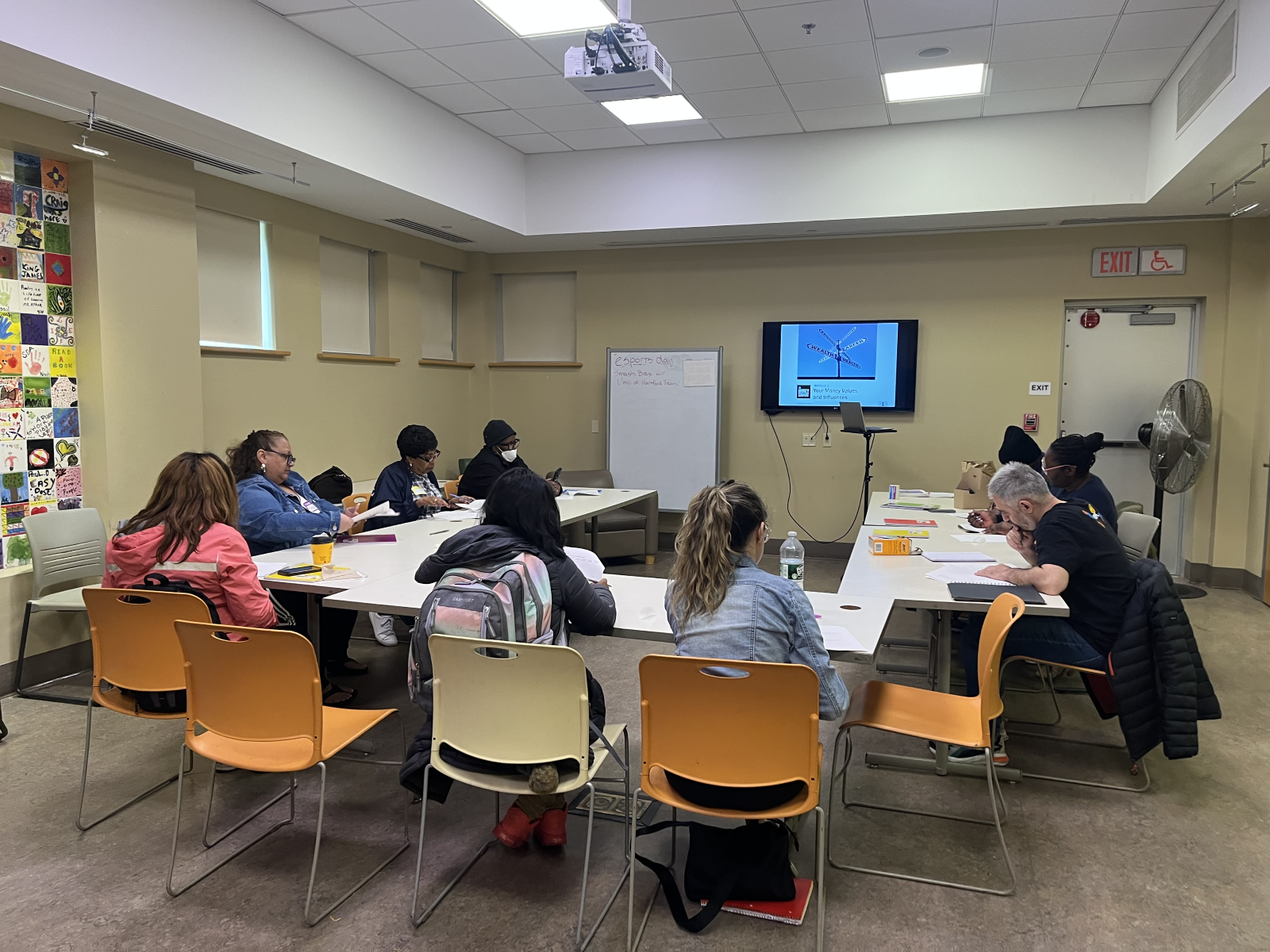
This project adapts traditional Lending Circles into a culturally resonant Learning Circle model that moves beyond conventional financial literacy workshops by blending peer support, trust building, and direct engagement with banks to support unbanked and underbanked residents in accessing secure, affordable banking options. Over 6–8 weeks, participants complete Learning Circles led by library staff and financial coaches, pairing the FDIC Money Smart curriculum with a matched savings plan that turns learning into immediate financial gains and long term credit building momentum. By leveraging the library’s public trust and cross sector partnerships, this model positions libraries as a catalytic force for shifting residents away from high fee financial services and into trusted, mainstream banking pathways.
Challenge/Opportunity
Nationally, 36% of Black households and 33.4% of Hispanic households are unbanked or underbanked, relying on costly alternative financial services such as check cashing fees and payday lenders. FDIC research shows households often avoid banks due to minimum balance requirements, high or unpredictable fees, ID or credit challenges, or distrust of financial institutions. The CFE Fund leads the national Bank On movement, supporting local coalitions and working with banks that meet Bank On certification standards to expand safe, affordable banking access. This project addresses the critical trust barrier by positioning the library as a neutral, community rooted bridge connecting residents to Bank On institutions and supporting hands on financial learning that builds confidence in secure, affordable banking options.
Key Elements of Innovation
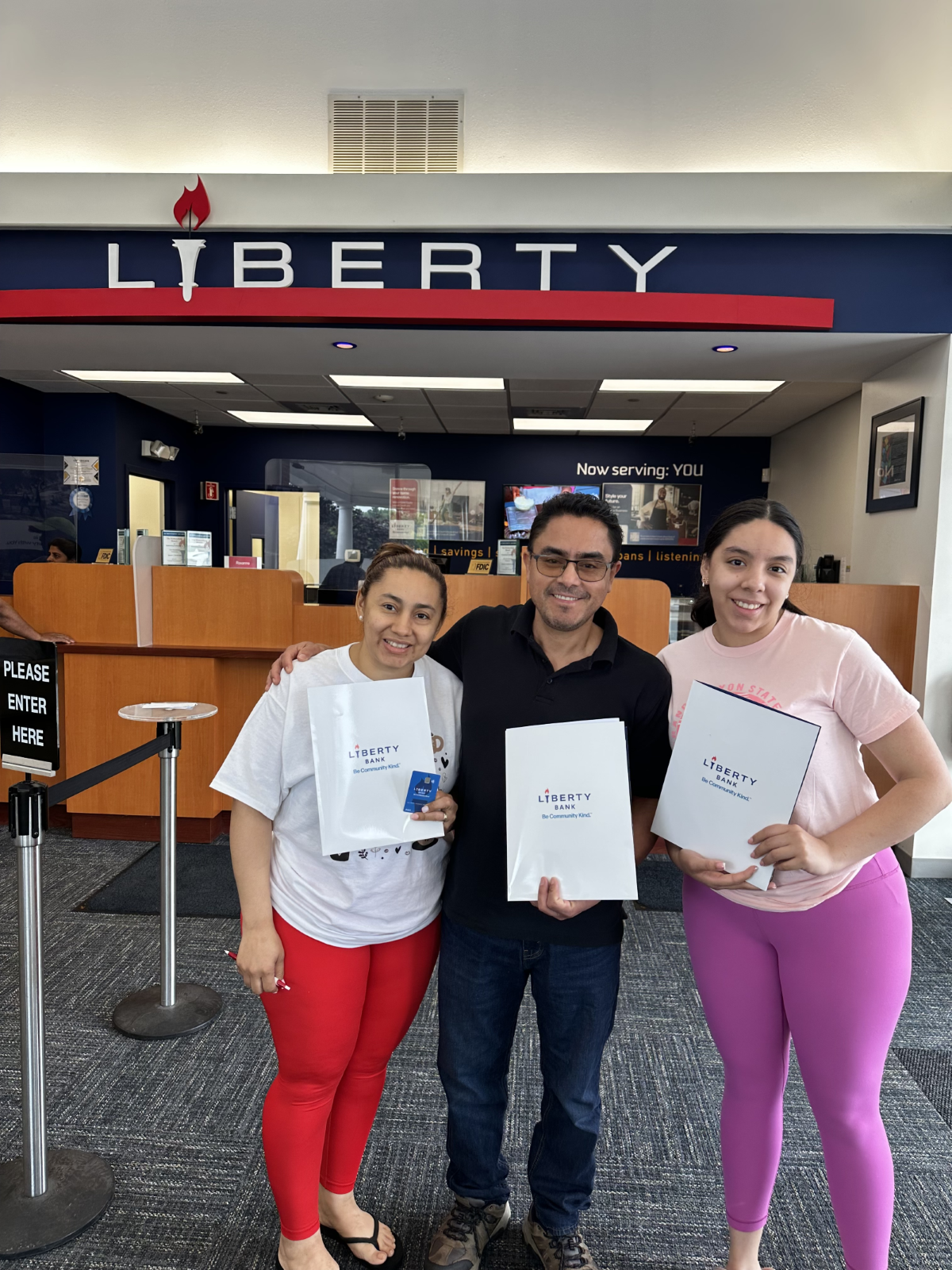
A Learning Circle model, adapted from the widely used community savings practice ROSCA, creates a community rooted, trust building structure for financial learning. The project combines the FDIC Money Smart curriculum with a bank partnership and savings incentive: participants open a savings account with HPL’s primary banking partner, Liberty Bank, make periodic deposits, and those who maintain a $250 balance within five months receive a $250 match. As an active member of the regional Bank On coalition, the library connects residents to multiple Bank On–certified institutions, transforming financial education into real action and secure, affordable banking access. Additional innovations strengthen the model, including a Money Smart Video Competition that generated 30,000+ views and a Financial Reality Fair offering guided, real life budgeting experiences.
Achieved Outcomes
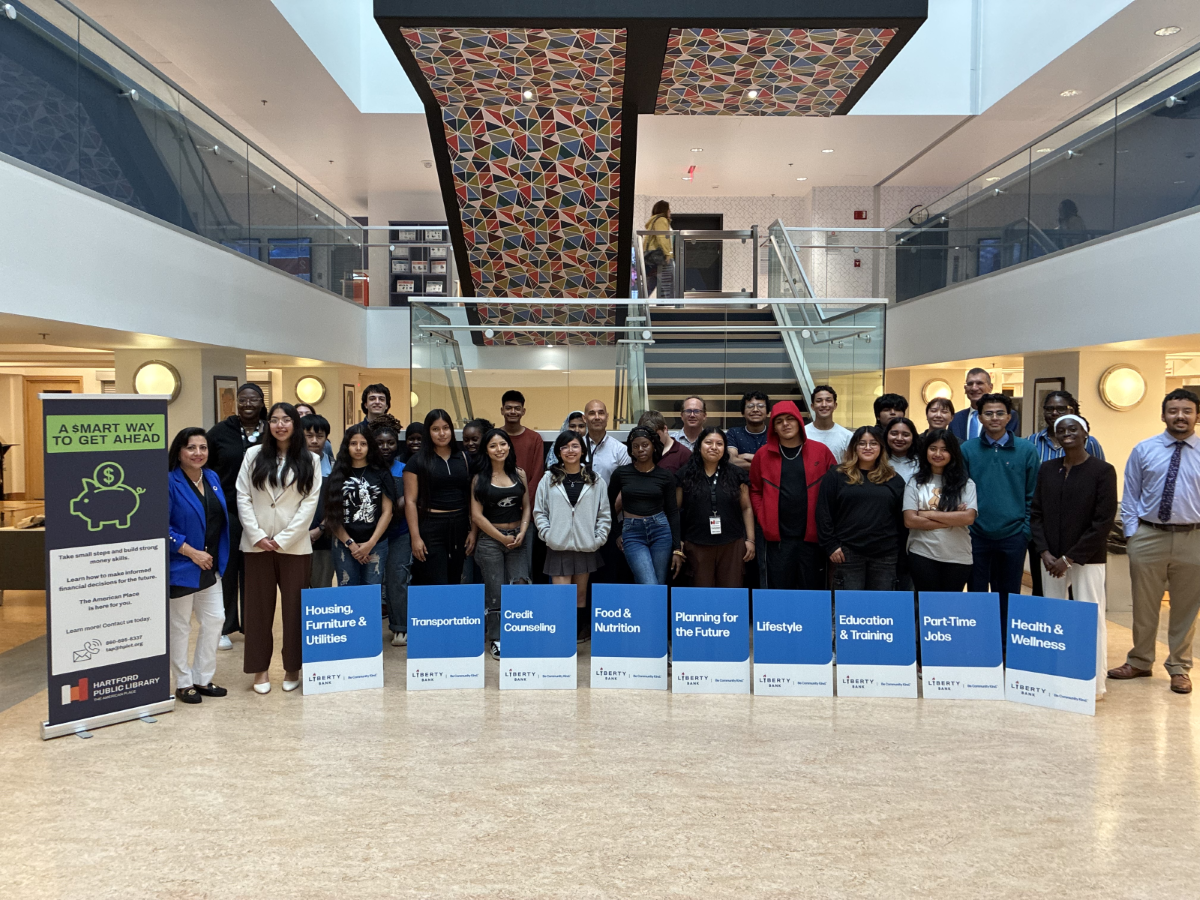
Program effectiveness is assessed through brief pre and post class surveys for each Money Smart unit, supplemented by an evaluator led survey capturing participants’ background, financial health, and confidence navigating mainstream financial services. Expanded partnerships broadened participation beyond immigrants to include youth, residents of low income housing, reentry populations, and others. The interim report, covering July 2022 to May 2025, reviewed outcomes for 361 participants and found increased comfort with the financial system, greater confidence managing finances, and substantial gains in monthly savings. Those struggling to pay bills dropped from 56% to 26%. Since June 2025 through August 2026, 557 more individuals enrolled, and 75 opened Individual Development Accounts with Liberty Bank. Continued progress positions the library as a key player in financial inclusivity as states move to require financial education in school curricula.
Supporting Materials: