Activating Archives Through Public Programming
Chicago Public Library
Innovation Synopsis
The Renaissance Project at Chicago Public Library is a Mellon‑funded initiative that brings librarians and archivists together to share the stories that shape Chicago’s history. For years, these two fields had limited opportunities to collaborate because libraries are built for open exploration, while archives protect one‑of‑a‑kind materials that cannot be browsed freely. This project bridges those differences by translating archival stories for the general public—children, teens, and adults alike—and showing that the archives are a sacred, welcoming space open to everyone, with only a few necessary protections in place.
Challenge/Opportunity
Public librarians rarely have opportunities to work with archival materials, and many—including myself—feel intimidated by the specialized systems, language, and detailed practices archivists use to protect one‑of‑a‑kind items. This gap limits collaboration and makes it difficult to create programs that connect patrons with the rich history held in our collections. Chicago Public Library houses the largest repository of African American archival materials in the Midwest, yet these stories often remain unseen by the general public. This innovation addresses that disconnect by developing programs that bring those materials into the light, offering counter‑narratives and hands‑on learning experiences that help people of all ages engage with Black Chicago history in meaningful, accessible ways.
Key Elements of Innovation
This project is built on a close partnership with Dr. Traci Lombre, whose archival expertise combines with my experience in accessible public program design. Together, we translate complex archival practices into programs that meet patrons where they are, without academic language or barriers. Most people will never handle artifacts directly, but they deserve to know the stories they hold, and public libraries are uniquely positioned to make that possible. By shaping workshops at an approachable learning level—without simplifying the content—we open the archives to a wider audience and create a model for how librarians and archivists can work together to share history in a public, welcoming space.
Achieved Outcomes
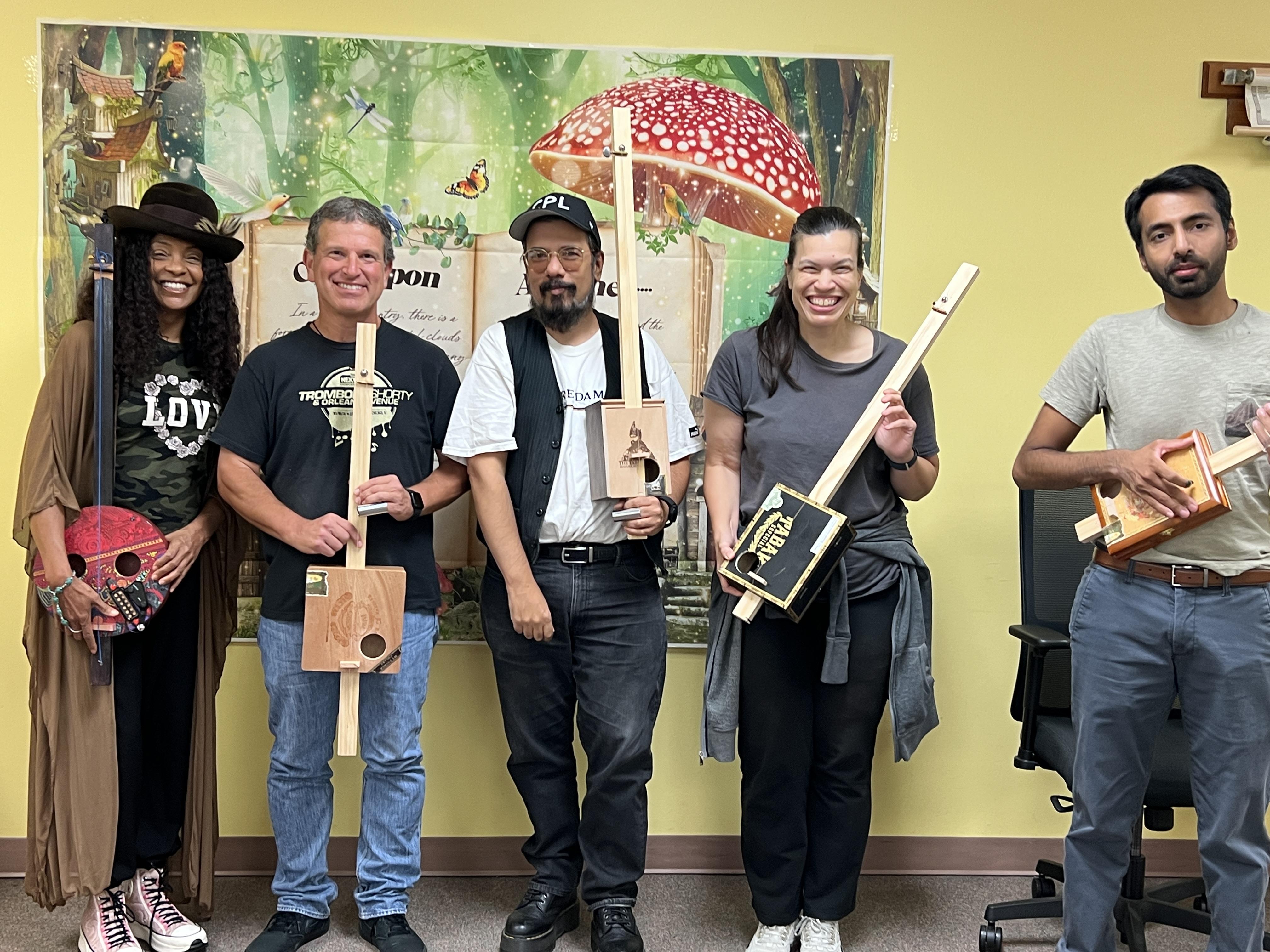
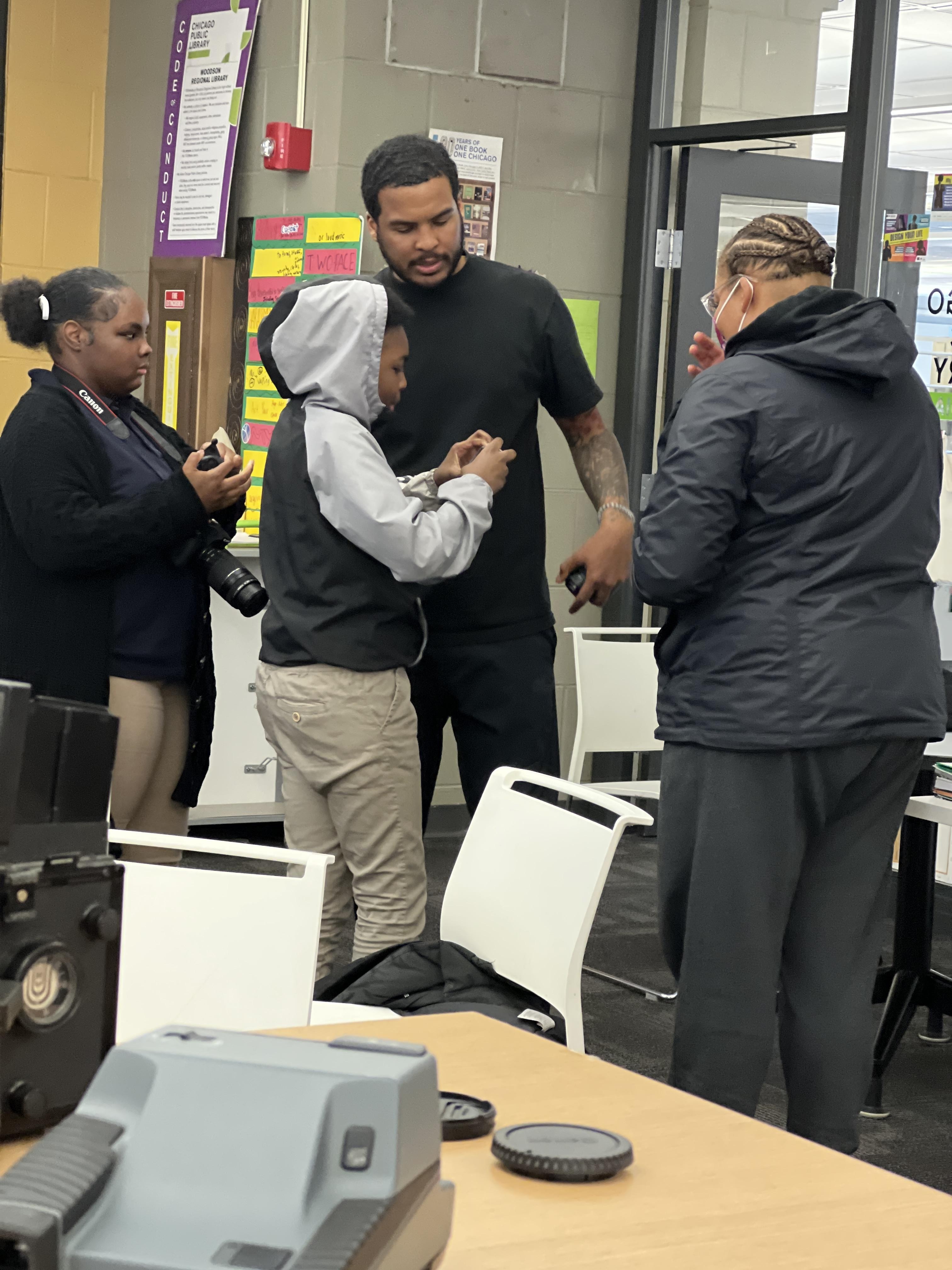
Over the past two years, this initiative has expanded Black History programming across all 82 CPL branches, making it a year‑round offering rather than a seasonal one. Attendance has steadily increased, and patrons of all ages are engaging with archival stories they would never otherwise encounter through hands‑on activities like Lego workshops on Dr. Leonidas Berry, concerts honoring Capt. Walter Dyett, and blues programs that connect Chicago’s Delta Blues history to a screening of the film Sinners. We track attendance, participation, and program reach, and we’ve built new partnerships with cultural workers who deepen the impact of each event. Staff and patrons consistently share positive feedback, noting that these programs make rare archival stories accessible, engaging, and relevant to their lives.