Accessible Play for Everyone: Storybook SCCLD
Santa Clara County Library District
Innovation Synopsis
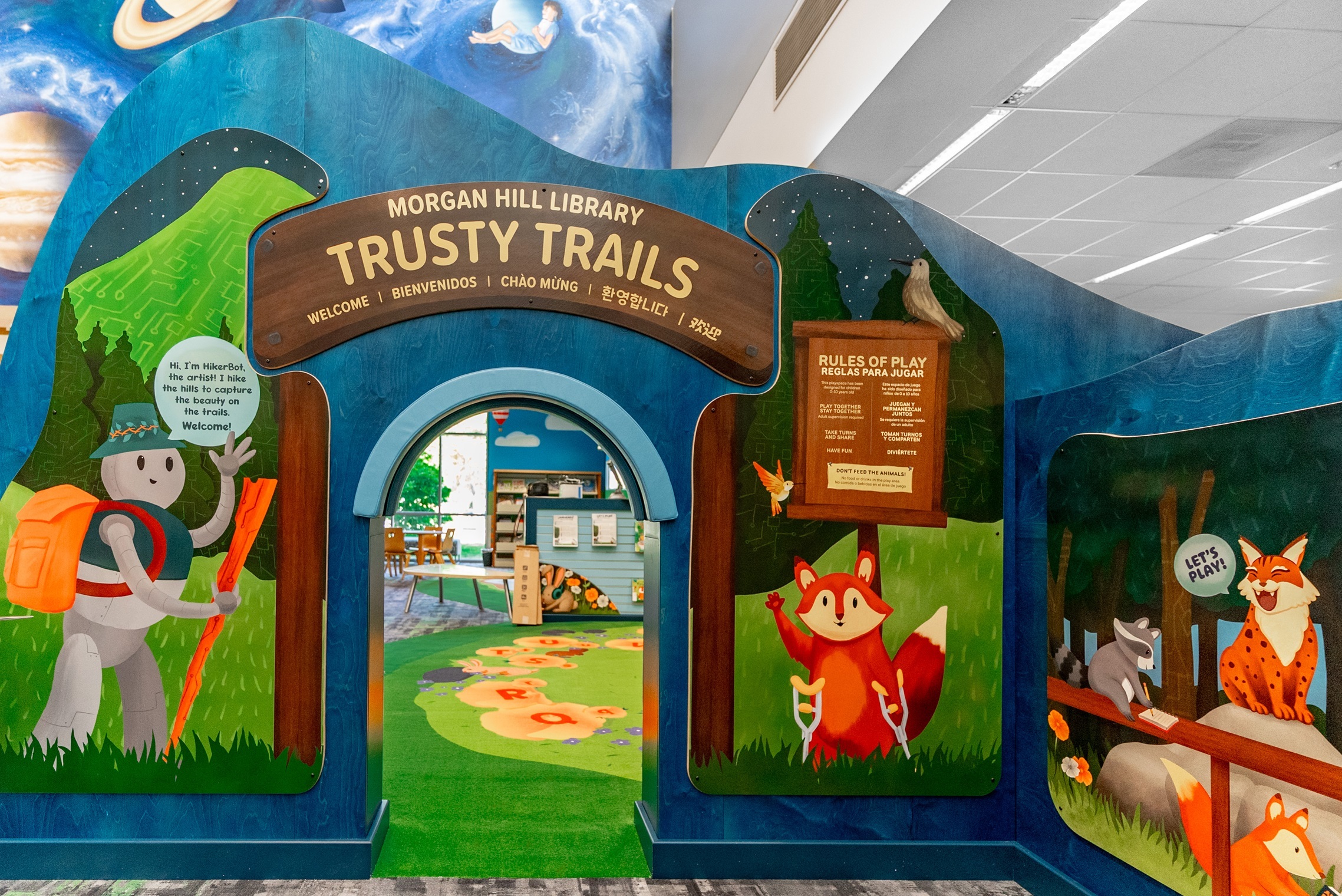
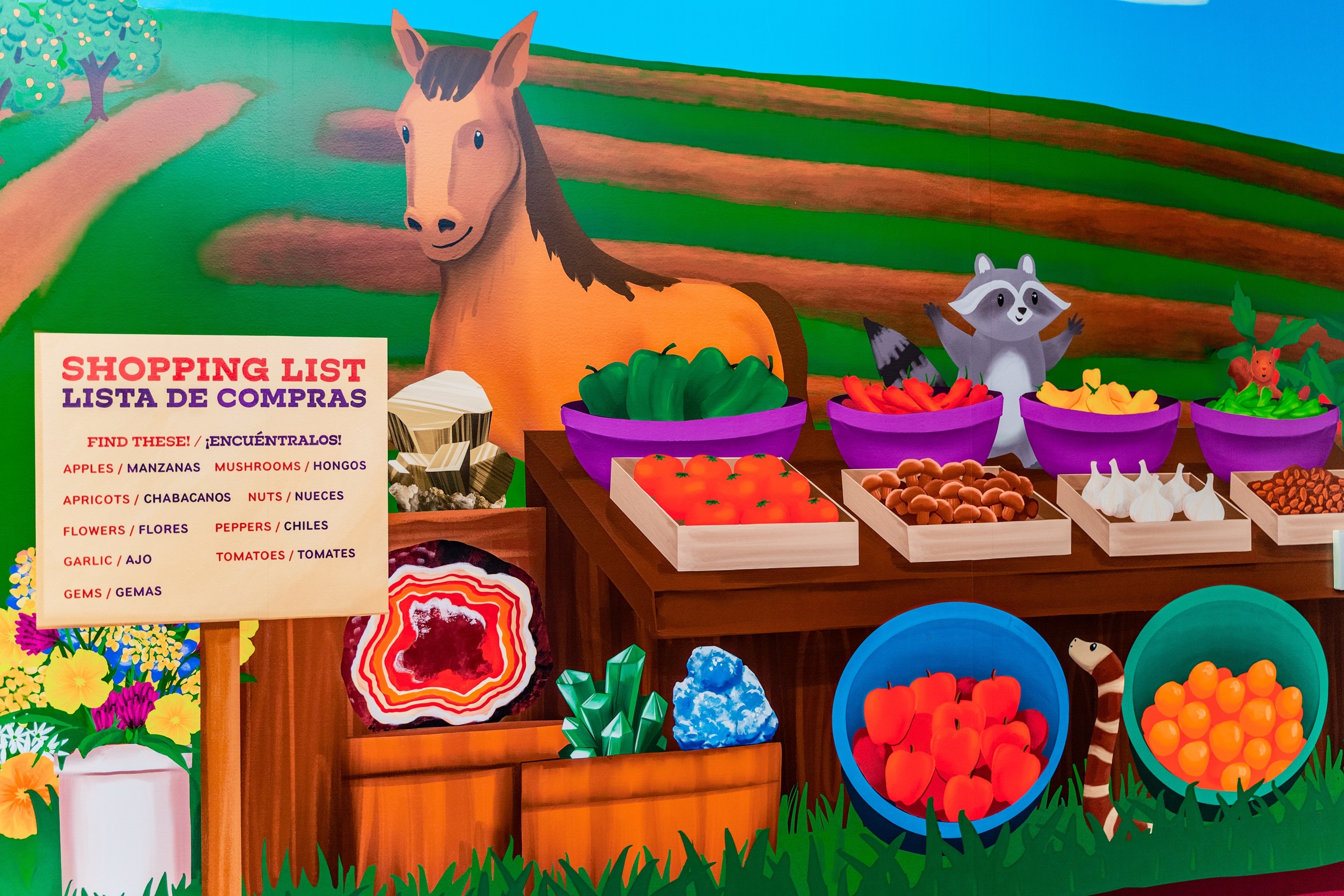
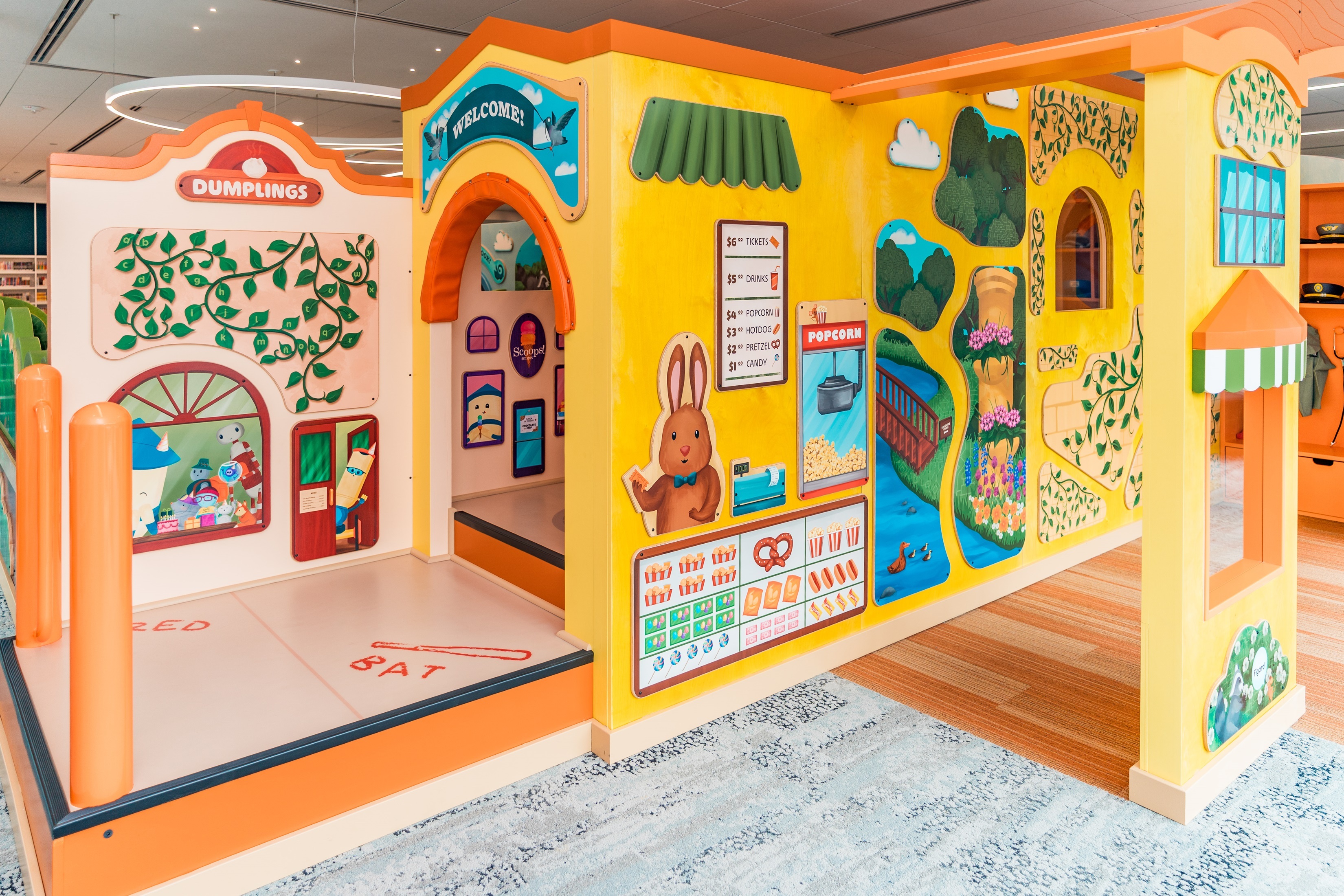
The Santa Clara County Library District has constructed six interactive, early learning play spaces inside our community libraries, with a final one opening this winter. They transform part of a library’s children’s area into a new immersive world for kids ages 0-10 of every ability to explore. Accessibility and inclusion have been a key aspect of the design of these spaces, from ensuring that those in wheelchairs can easily navigate and access the play vehicles/houses and toddler slide, to the sensory panels and inclusive graphics. Librarians have also leveraged the new spaces to offer unique programming for children with sensory processing differences. Each play space incorporates visual graphics featuring characters with diverse abilities and greetings in multiple languages. These intentional design elements help children see themselves and their communities reflected in the library environment while fostering belonging, acceptance, and cultural awareness.
Challenge/Opportunity
According to the Santa Clara County Office of Education, one in eight public school children in the state receives disability services. 3.2% of children in the county live with a major disability, with many more needing special attention. A fundamental component of our indoor play spaces is creating an inclusive, welcoming environment where every child and family feels represented, valued, and supported. Academics such as A. Nicolopoulou (The Alarming Disappearance of Play from Early Childhood Education) promote the importance play has in child development.
Results from the California Assessment of Student Performance and Progress show that just 54% of Santa Clara County 3rd grade students meet or exceed the English Language Arts requirements. A key challenge and opportunity is how to start early literacy practices from birth, incorporate programming for those who learn differently, and make the library a destination for reluctant readers.
Key Elements of Innovation
The play spaces serve as platforms for meaningful family engagement and education starting with infants. To help parents and caregivers understand how play supports children’s development, we partnered with local pediatric professionals specializing in physical and occupational therapy. To support children with sensory processing differences, sensory resources are available for use during visits, providing families with tools to help children comfortably engage with the environment. Select locations offer Magic Hour visits designed for children with autism, sensory processing challenges, or those who prefer quieter experiences where children and their caregivers can explore at their own pace. Special education class visits are also offered before the library opens, creating an accessible and welcoming experience tailored to their needs. Inclusive features, such as wheelchair transfer platforms, further support safe and equitable access to all play spaces.
Achieved Outcomes
• Implementing Magic Hour Visits - Partnered with local elementary special education classes to host sensory storytimes and dedicated play time with dim/natural lighting instead of harsh fluorescent bulbs, lower volume levels, quiet zones, and fidgets available prior to opening.
• Sensory Resources - All locations offer sensory items for children in the play spaces such as noise canceling headphones, tinted eyewear for light sensitivities, fidgets and other calming tools.
• Partnering with Pediatric Speech Therapist - Hosted five programs that promoted different components of the play spaces i.e. graphics, sensory walls, reading nooks and how parents could utilize the spaces to promote speech development with their child.
• Partnered with Golden Acorn, a local music group that promotes early literacy learning through Music and Movement programs to develop five programs based on the play space themes to introduce elements of the themes to the children and families in the community.