Access and Engagement Through a Digital Lab
Prince William Public Libraries
Innovation Synopsis
Old family photos and other cherished media no longer have to gather dust. Prince William Public Libraries’ Digital Preservation Lab provides free-to-use equipment to digitize these old materials. The Lab not only preserves precious family memories but also engages more residents by bringing them into the library and strengthening access to hard-to-reach technologies.
Challenge/Opportunity
Prince William Public Libraries (PWPL) identified a growing but unmet need: residents had family photographs, videos, audio recordings, slides, negatives, and film reels containing irreplaceable memories, but few had the equipment, software, or technical know-how to preserve them before they deteriorated or became inaccessible.
PWPL offers specialized genealogy and local history resources that help patrons explore their family roots. However, without access to digitization technology, many residents had no practical way to preserve their own family histories. This lack of accessible equipment presented a significant barrier to digital inclusion and limited PWPL’s ability to provide residents with the tools they needed.
To address this challenge, PWPL established a Digital Preservation Lab.
Key Elements of Innovation
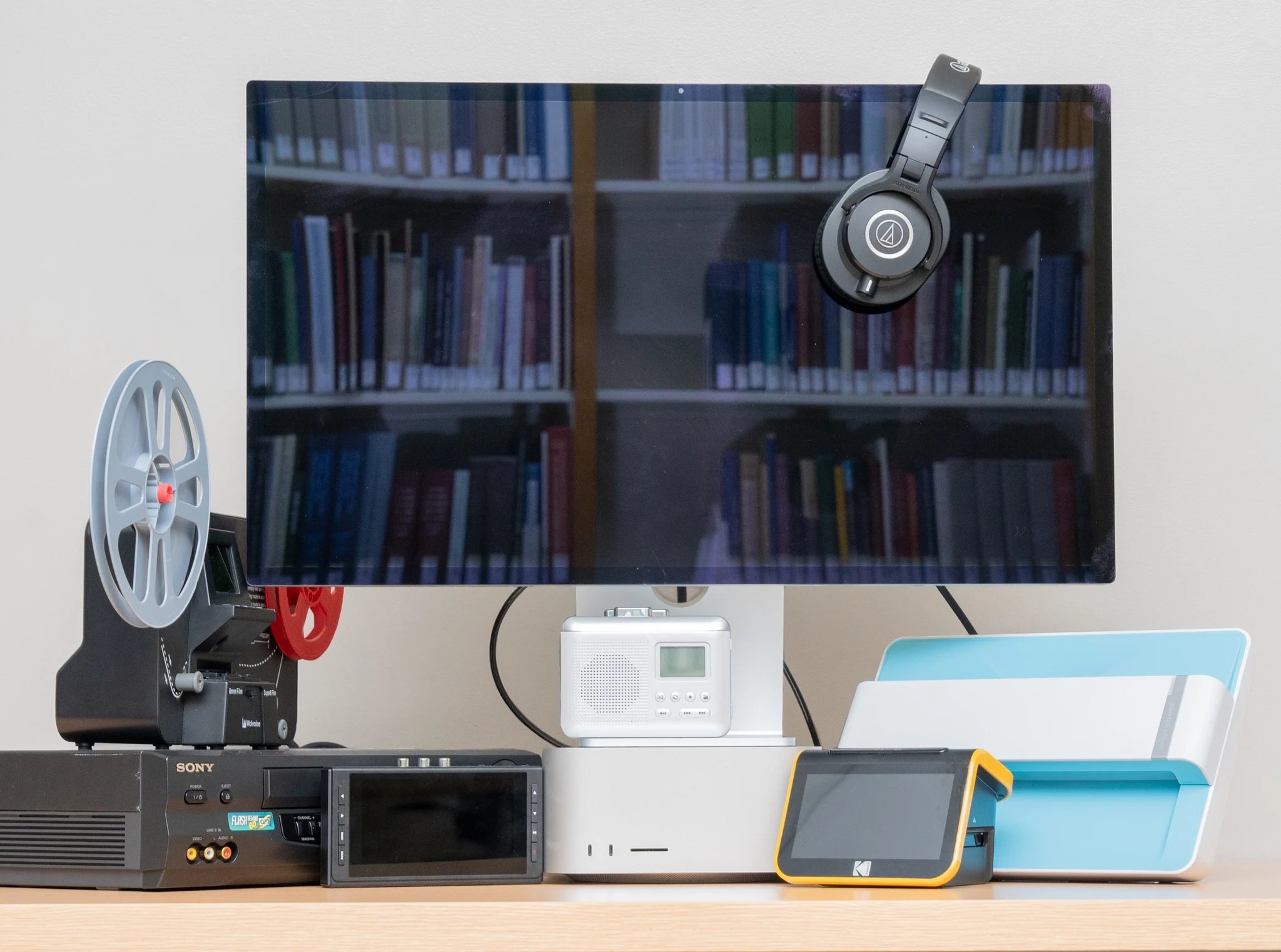
PWPL secured grant funding to establish the Digital Preservation Lab, a free, accessible resource for anyone to digitize and preserve precious personal memories. It was the first, and remains the only, resource of its kind in the area.
The Lab removes digital literacy barriers with user-friendly equipment and one-on-one help sessions. Tools include an 8mm film reel converter, an audio cassette digitizer, a photo scanner, a slides and negatives digitizer, and a VHS-to-digital recorder. The Adobe Creative Cloud is available for patrons who want to enhance their digitized materials.
To increase access, PWPL designed the Lab to be mobile, traveling among all 12 branches to make this specialized preservation technology accessible to everyone.
Achieved Outcomes
Demand for the Lab was immediate. Residents quickly began bringing photographs, home movies, and other family memories. One patron returned regularly for an entire year to digitize her collection of 6-inch Super 8mm reels, with each reel requiring approximately four hours to convert. Her interest and time commitment speaks to how valuable and meaningful this resource is to the people who use it.
The Lab served 220 patrons over the past 12 months. That number may look modest, but behind it are thousands of irreplaceable family memories—a value that statistics cannot capture. The Lab has provided residents with resources they could not otherwise easily or affordably access elsewhere.
Beyond giving residents free access to specialized technology, the Lab builds lasting connections between the library and residents as they preserve their family histories.